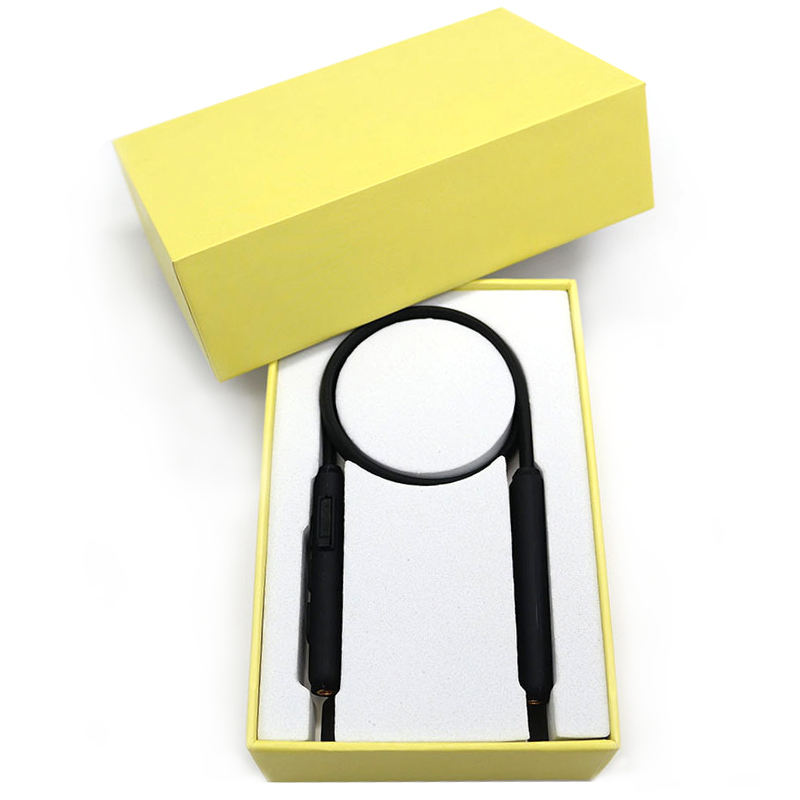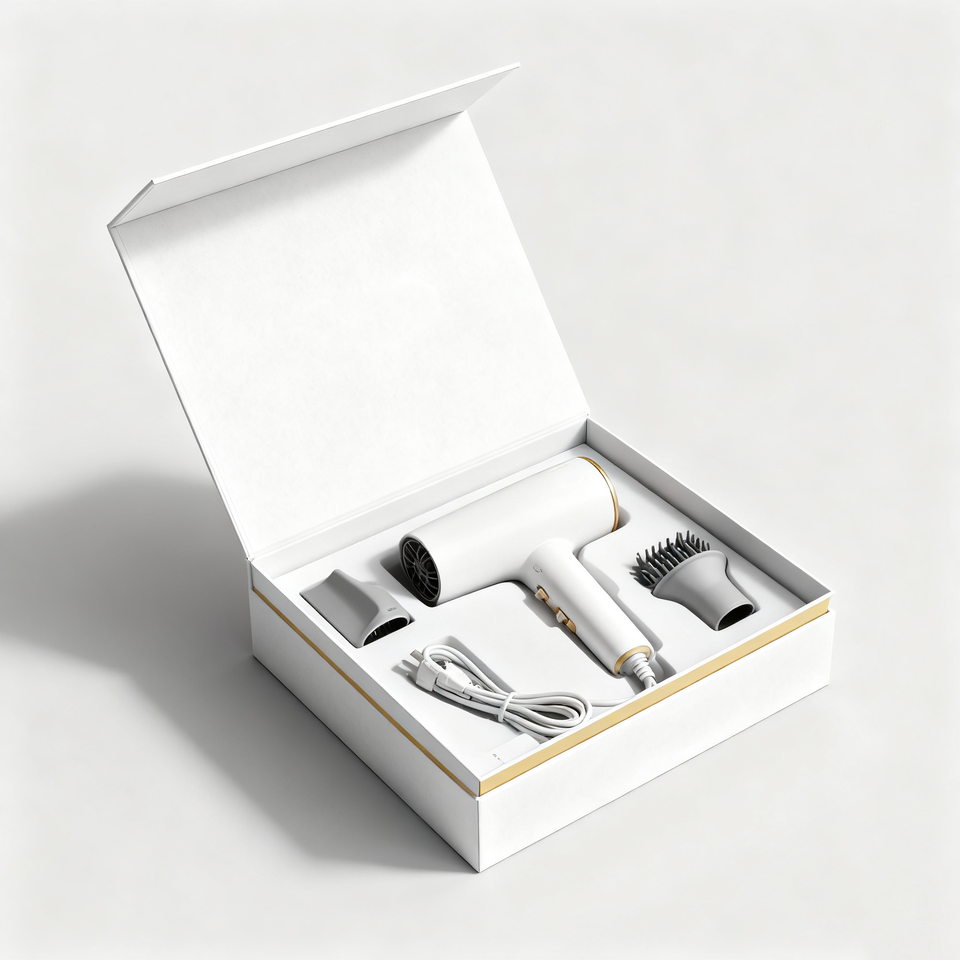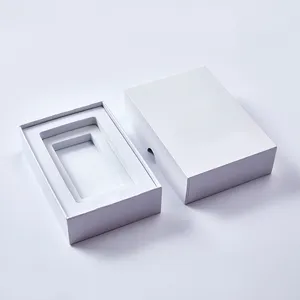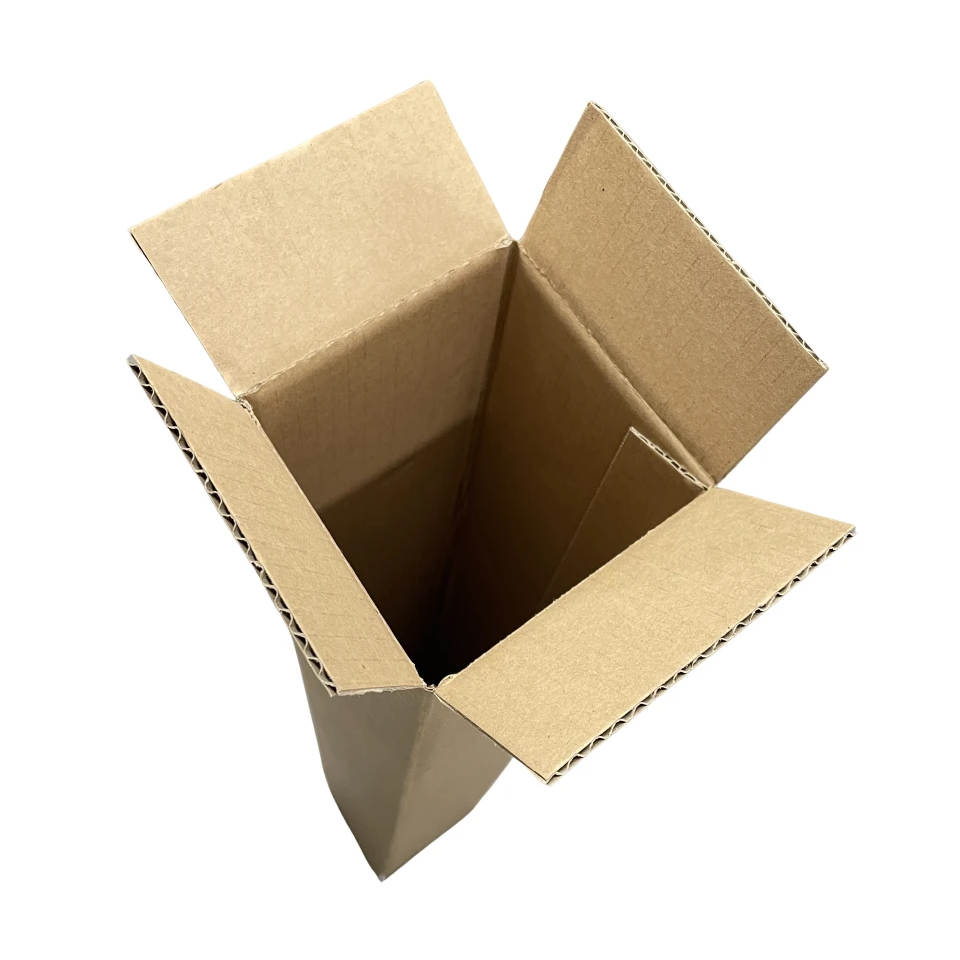
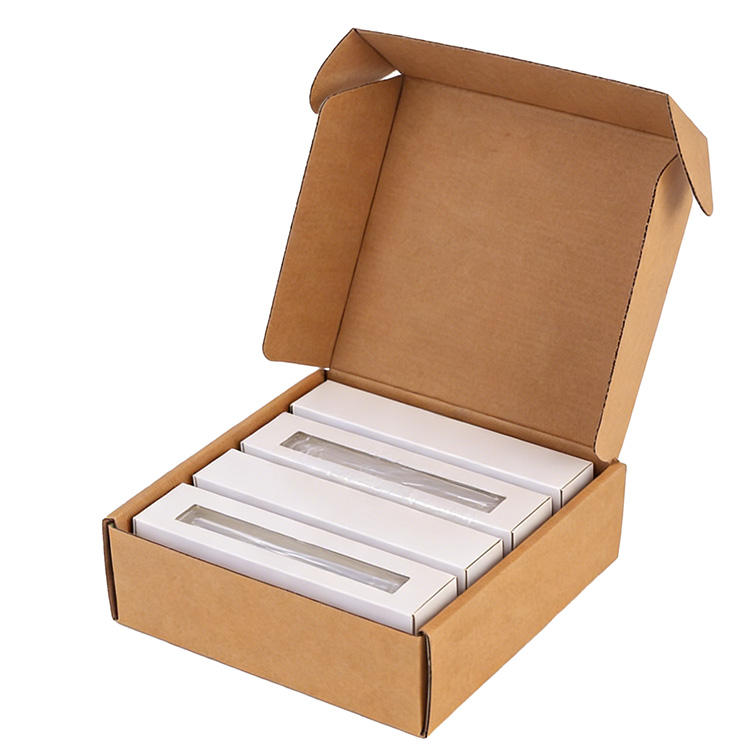
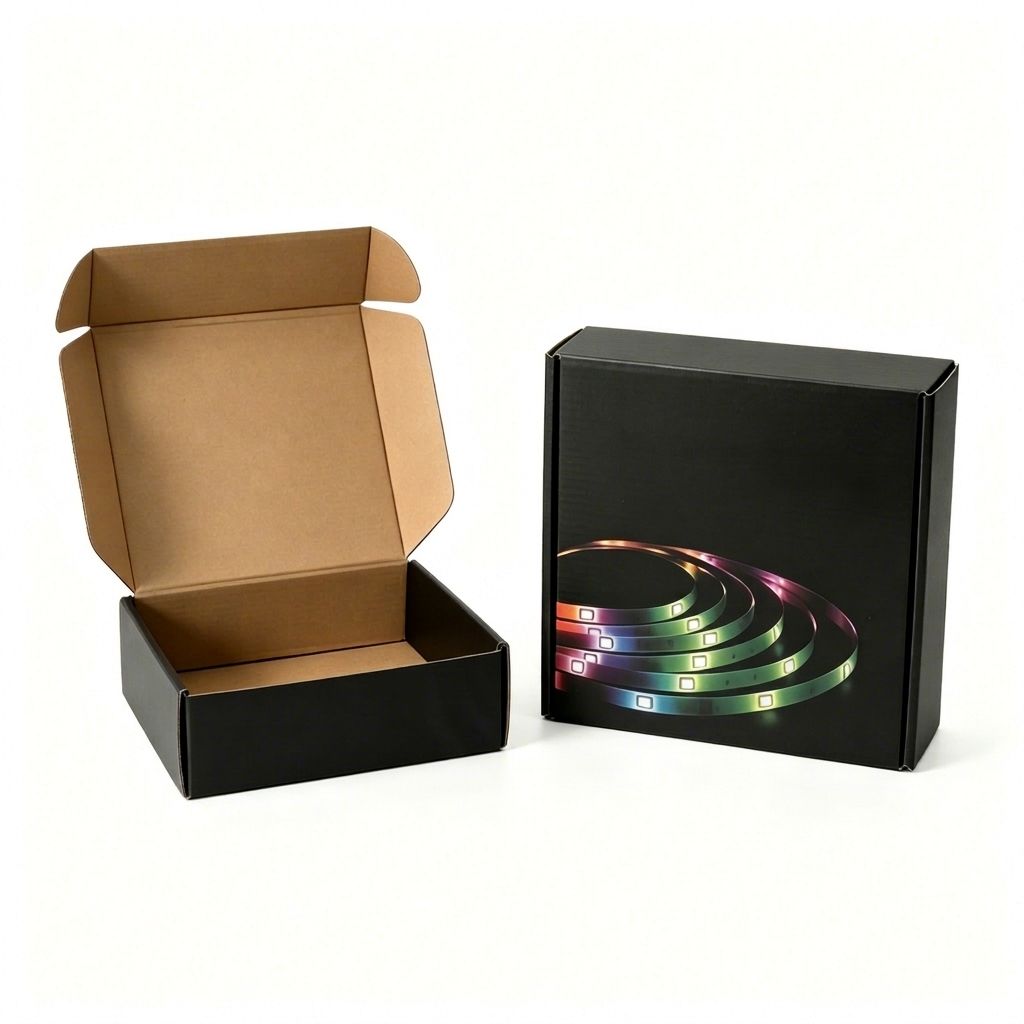
Kettles, toasters, blenders, irons, fans and air fryers are heavy, awkward and easily dented, so home appliances boxes are specified by board strength first and print second. Boxify Now makes them in E-flute and B-flute corrugated, with die-cut inserts that keep the appliance and its parts from moving. Manufacturers, importers and online sellers can buy home appliances boxes in the exact size of each model, or order home appliances boxes wholesale across a range. Ask for custom printed home appliances boxes with your logo, product photos and handling marks. Buy now or request a quote.
Home appliances boxes are corrugated or heavy paperboard cartons made to pack household electrical goods such as kettles, toasters, blenders, irons, fans and air fryers. They protect the appliance from drops and stacking pressure between the factory and the kitchen, and they carry the product photo, features and handling marks. Most are printed corrugated boxes with fitted inserts.
Weight and fragility sort appliances into three broad groups, and each calls for a different build.
Some products have demands of their own. An iron needs a soleplate guard and a stable upright position, which is why iron box packaging is usually specified separately. Lighting is similar, and lamp boxes are built around shades and glass instead of weight.
Strong enough to carry the product’s weight in a stack and to survive a drop on a corner. Two choices determine that.
The flute is the wavy layer inside corrugated board. E-flute is about a sixteenth of an inch thick, with a smooth surface that prints well, so it suits lighter appliances sold from a shelf. B-flute is about an eighth of an inch thick and resists crushing and punctures better. C-flute is thicker again and is common in shipping cartons where cushioning and stacking strength matter more than print detail.
Single wall board has one fluted layer between two liners and handles most small appliances. Double wall has two fluted layers and is the right call for heavy items, long distribution chains and tall pallet stacks. Board is also graded by edge crush test, which measures how much load the wall of a box can carry before it buckles.
Tell us the product weight, how many cartons high it will be stacked and how it ships, and we will recommend a grade.
The answer depends on where the customer first sees the box. In a store, the carton is the salesperson, so full-color printed home appliances boxes with a large product photo are worth the cost. Photographic artwork prints in CMYK, and brand colors can be matched in PMS.
For online orders, a plain or lightly printed kraft shipper is a sensible choice. One or two PMS colors on brown board look clean and keep the print simple. Some brands use a single box for both jobs, strong enough to ship without an outer carton and printed well enough to sit on a shelf.
If you need separate transit cartons, our corrugated shipping boxes can be sized to hold one retail box or a case of several.
An insert holds the appliance away from the walls, so the force of a drop is not passed straight to the product. The usual options are:
The working rules are simple. Nothing should be loose. The heaviest component sits at the bottom. Glass is wrapped and packed apart from metal parts. A packed box should make no sound when it is shaken.
Measure the appliance at its widest points in length, width and height, including handles, knobs, spouts and feet. Then decide what detaches. Packing a blender jug beside its base, or a kettle off its stand, can shrink the box noticeably and reduce shipping costs.
Add clearance for the insert, which on heavier goods is often an inch or two on each side, and note the total packed weight. Boxes are ordered by inside dimensions, but outside dimensions matter for pallet patterns and for carriers that charge by size, so ask us for both.
Small features decide whether a box is pleasant to handle. Die-cut hand holes on two opposite sides help with anything over about ten pounds. Place them in the upper third of the panel and keep them modest, since every cut-out removes some stacking strength.
A rope or die-cut carry handle on top suits appliances that shoppers carry out of the store themselves. An auto-lock bottom speeds up packing and holds weight without relying on tape alone. Printed custom tapes add branding to a plain shipper and make it obvious if a carton has been opened and resealed.
It should carry everything a shopper compares and everything a warehouse needs. Put the product photo, model name and key features on at least two faces, because stacked cartons often show only their ends. Capacity and wattage belong on the front.
The back panel takes the full specifications, the contents list, voltage, the barcode and any marks or warnings you supply. We print the content you approve. Add handling symbols such as orientation arrows and a fragile mark where they apply, and repeat the model number and color on a small end panel so pickers can identify stock quickly.
For finishes, gloss lamination or aqueous coating resists scuffing in distribution. Matte lamination with spot UV over the product image gives a more premium look for higher-priced appliances.
Custom home appliances boxes are made to the size of each model, with inserts and dividers designed around the product. Free design support is included and there are no die or plate charges. We print in CMYK and PMS, outside and inside, and you receive a digital proof and 3D mockup before production. Boxes ship flat where the style allows, which matters when you are storing large cartons.
To order, send the product dimensions, packed weight, shipping method, quantity and artwork as PDF, AI or EPS at 300 DPI in CMYK. Minimums are low, the timeline is confirmed on your quote, and shipping is free; your quote will confirm delivery details for your location.
Well-specified home appliances boxes lower the risk of transit damage and make a product look worth its price. Buy now or request a quote, and tell us what you are packing and how it travels.
Most are corrugated board, which has a fluted layer between flat liners. E-flute suits lighter retail cartons, B-flute and C-flute add strength, and double wall board is used for heavy items. Very small appliances sometimes use heavy paperboard instead.
E-flute is thinner, about a sixteenth of an inch, with a smooth surface that shows printed detail well. B-flute is roughly twice as thick and offers more crush and puncture resistance. Lighter retail appliances suit E-flute, and heavier ones suit B-flute.
Consider it for appliances above about fifteen pounds, for cartons stacked high on pallets, and for long shipping routes with several handling points. Tell us the packed weight and how the boxes will be stored and shipped, and we will advise.
Yes. A printed corrugated box built on stronger board, with a snug insert, can ship without an outer carton and still look good on a shelf. The print may pick up scuffs in transit, so a protective lamination or coating helps.
Corrugated end caps, corner pads, die-cut cradles and dividers are the main options, with foam pads for very heavy or fragile items. Each insert is designed to hold the appliance clear of the box walls and keep loose parts apart.
Measure length, width and height at the widest points, including handles, spouts and feet. Decide which parts will be packed separately, then give us those measurements and the total weight. We add the insert clearance and confirm inside and outside dimensions.
Yes. Die-cut hand holes can be placed on opposite sides for lifting, and a rope or die-cut handle can be added to the top for carry-out retail. We keep the cut-outs modest so the box retains its stacking strength.
Yes. Photographs and detailed artwork are printed in CMYK, and brand colors can be matched in PMS. E-flute gives the smoothest result for images. Supply photos at 300 DPI at their printed size so large panels stay sharp.
Yes. Orientation arrows, fragile marks, stacking limits and barcodes can be placed on any panel. Supply barcodes as vector artwork. Many buyers repeat the barcode and model number on two adjacent sides so the carton can be scanned however it is stacked.
Yes. Each model gets its own dieline and insert, and the artwork can follow one layout so the range looks consistent. Send the dimensions and quantities for every model together and we will quote them side by side.
Paper-based packaging such as corrugated board is widely recyclable, though local rules vary. Using corrugated inserts instead of foam keeps the pack in a single material. Lamination and heavy coatings can affect processing, so ask us about simpler finishes if this matters to you.
Minimums are low, so you can order packaging for a new model or a small import run without committing to large volumes. The options depend on box size, board grade and print, and your quote will show them clearly.
The timeline depends on board, size, quantity and finishing, and it is confirmed on your quote. Shipping is free, and the quote also confirms delivery details for your location. Production starts after you approve the proof.
Yes. We send a digital proof on the flat dieline and a 3D mockup of the assembled box. Check the panel orientation, barcode positions and handling marks at that point, because production follows the version you approve.
PDF, AI or EPS at 300 DPI in CMYK, with fonts outlined and PMS colors named. Large boxes need large images, so check photo resolution at final size. Free design support is available if you need help with layout.