A charger sells on its specifications, and the box is where a shopper checks wattage, connector and compatibility. Charger boxes from Boxify Now are made to fit wall adapters, charging cables, wireless pads, car chargers and power banks, with inserts that stop parts rattling and hang tabs for peg display. Electronics brands, accessory importers and phone repair shops can buy charger boxes in custom sizes, or stock several models with charger boxes wholesale. We produce custom printed charger boxes with your logo, icons and barcodes in CMYK or PMS. Buy now or request a quote.
Charger boxes are printed cartons made to hold charging accessories such as wall adapters, USB cables, wireless charging pads, car chargers and power banks. They keep the product and its cable in place, display technical details like wattage and connector type, and let the item hang or stand in a store. Most are paperboard folding cartons with a fitted insert.
The right box depends on the shape and weight of the accessory. These are the common pairings:
Sellers who carry flash drives and small adapters alongside chargers often order USB boxes in the same design so the accessory wall looks organized.
Use an insert cut to the product. Shoppers shake boxes, and a charger that knocks around inside sounds broken even when it is fine. Loose prongs and cable ends also scuff the housing in transit.
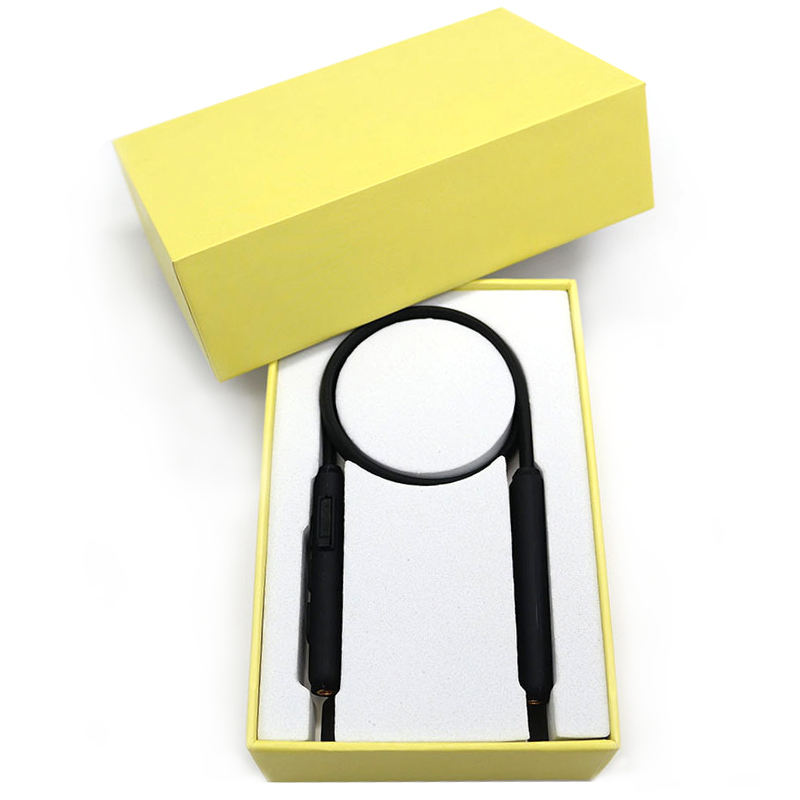
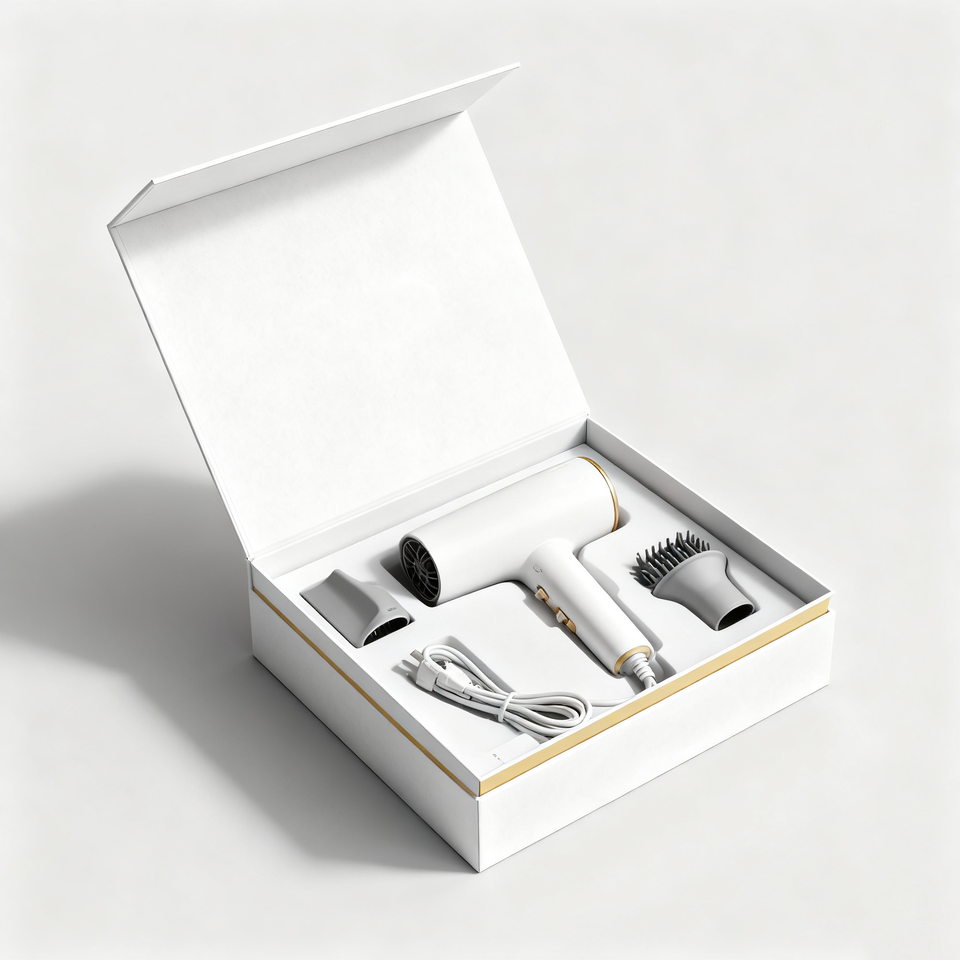
A die-cut paperboard insert is the most common answer. It folds into a platform with openings that hold the adapter and the cable separately. Corrugated inserts carry heavier items such as power banks, and foam suits premium wireless chargers with polished surfaces. A paper band or tie keeps the cable coil tidy.
One layout works especially well: a two-level insert that hides the cable underneath and presents the charger on top, so the customer sees the product first when the flap opens. Send us a sample or the dimensions from your supplier’s drawing and we will size the cavities to it.
A hang tab is an extended back panel with a round hole or slot for a retail peg. The hole needs to sit above the center of gravity or the pack will tilt, and a heavy item needs a double-thickness tab so it does not tear. Our hanging tab boxes are built on this principle.
A straight tuck carton with a flat base stands up without help. Give the front panel to the product name and wattage, and remember that the top panel is what shoppers see when the shelf is below eye level.
Online sellers need a carton that survives a parcel network. A snug box with a firm insert reduces the need for void fill, and a small E-flute mailer can serve as both the product box and the shipper.
Print the specifications a shopper checks, where they can be found in seconds. On the front, that means the brand, the product name, the wattage as the largest number, the connector types, the number of ports and the cable length. Icons communicate these faster than sentences.
The back panel carries the compatibility list, input and output ratings, a contents list, the barcode and your contact or warranty details. If you are entitled to use particular regulatory or standards marks, supply them as vector artwork and we will place them at the size you specify. We print the content you approve.
If you sell several wattages in one box size, keep a single dieline and change a color band for each model. Stock stays simple, and staff can tell the packs apart from across the room.
Phone brands usually match the charger carton to their cell phone packaging so the accessory reads as part of the same product family.
SBS paperboard between 16 and 24 point handles most charger boxes. It prints sharply, which matters for small technical text, and it folds into crisp corners. Kraft board gives a natural look for brands that want less ink and a plainer feel.
E-flute corrugated adds crush resistance for power banks and for anything shipped in its own box. Rigid chipboard is reserved for premium wireless chargers and gift sets. Many brands now replace formed trays with folded paperboard inserts so the whole pack is paper-based. Paper-based packaging is widely recyclable, though local rules vary.
It is worth adding when the color, finish or connector of the product helps sell it. A die-cut window covered with clear PET window film shows the actual adapter and discourages people from opening the box in the store. An open cut-out with no film lets shoppers feel a braided cable, but it also lets in dust.
Skip the window if the product is plain or if the cut would weaken a small carton. A life-size printed photo or a clean line drawing does the same job. Where you do use one, keep it away from the edges and folds so the panel keeps its strength.
Matte lamination with spot UV over the product image is the familiar look for tech accessories, and it works because the gloss draws the eye to the charger itself. Soft-touch suits higher-priced lines. Gloss lamination gives bright, value-priced ranges more punch, and aqueous coating is an economical protective layer.
Foil stamping or embossing on the logo adds a point of interest without crowding the panel. Printing inside the box is practical here: a quick-start diagram on the inner flap can replace a separate paper manual.
There are no die or plate charges and minimums are low, so launching a new model does not require a large first run.
Printed charger boxes do a lot of explaining in a small space. Buy now or request a quote, and tell us which chargers you are packing so we can suggest a structure and insert.
Most are SBS paperboard folding cartons with a die-cut paperboard insert. Kraft board is used for a natural look, E-flute corrugated for heavier items and direct shipping, and rigid chipboard for premium wireless chargers and gift sets.
It depends on the adapter body, whether the prongs fold, and whether a cable is included. Measure the charger at its widest points, add the coiled cable if there is one, and send us the figures. Every box is made to size.
Yes. A two-cavity insert holds the adapter and the coiled cable in separate openings, or a two-level insert stores the cable beneath a platform. Both keep the parts from rubbing against each other and make the contents look organized.
Yes. The back panel can extend into a tab with a round hole or slot. For heavier accessories we recommend a double-thickness tab, and we position the hole so the pack hangs level instead of tipping forward on the peg.
Yes. A die-cut window can be left open or covered with clear PET window film. It works well for showing the color or connector of the product. On small cartons, the window should be kept clear of folds and edges.
A folded paperboard insert suits most adapters and cables and keeps the pack paper-based. Corrugated inserts handle the weight of power banks, and foam protects polished wireless chargers. We cut each insert to your product’s dimensions.
Yes. Supply the icons and marks as vector artwork and tell us the required sizes, and we will place them on the panels you choose. We print what you approve, so check the specifications and marks carefully on your proof.
They can be. Power banks are heavy for their size, so we suggest thicker paperboard or E-flute corrugated, an auto-lock or reinforced bottom, and a snug insert. Tell us the weight and we will recommend a suitable board.
Yes, if the products share similar dimensions. Many brands keep one dieline and insert, then change a color band, the wattage number and the barcode for each model. This keeps the range consistent and makes reordering straightforward.
Matte lamination with spot UV on the product image is the most requested. Soft-touch, gloss lamination, aqueous coating, foil stamping, embossing and debossing are also available. Choose one or two that support the design instead of using every option.
Yes. We print inside as well as outside in CMYK or PMS. A quick-start diagram or setup steps on the inner flap or the insert is a practical use of that space and can replace a separate leaflet.
Minimums are low, which helps when you are testing a new accessory or carrying several models in small volumes. The quantity options depend on size, board and finish, and your quote will list them for comparison.
The timeline depends on the structure, quantity and finishes you choose and is confirmed on your quote. Shipping is free, and the quote also confirms delivery details for your location. Production starts once the proof is approved.
Yes. You receive a digital proof showing the artwork on the flat dieline and a 3D mockup of the folded box. Check the wattage, connector details and barcode in particular, since nothing prints until you approve.
PDF, AI or EPS files at 300 DPI in CMYK, with fonts outlined and any PMS colors named. Product photos should be high resolution. If you only have a logo and a spec sheet, our designers can build the layout.