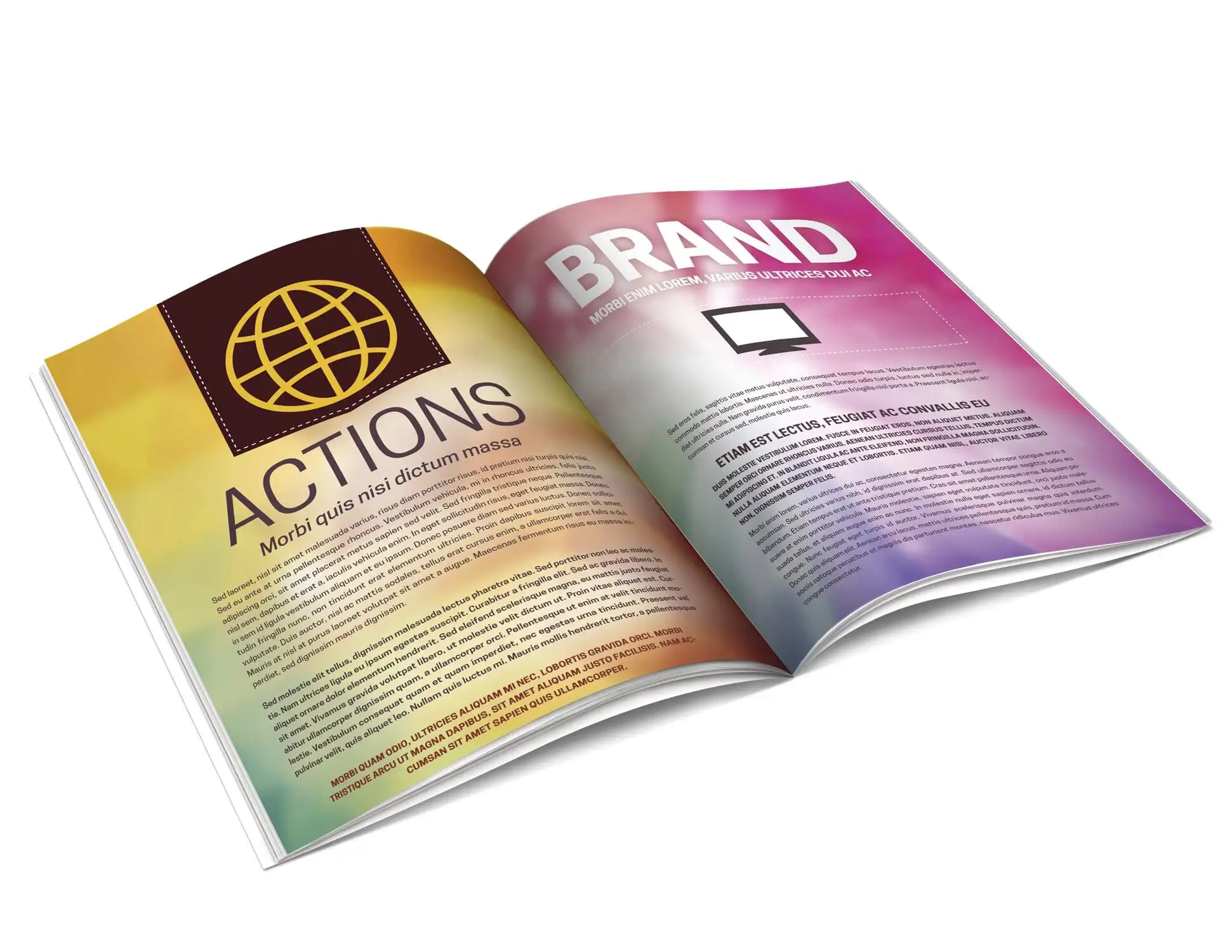
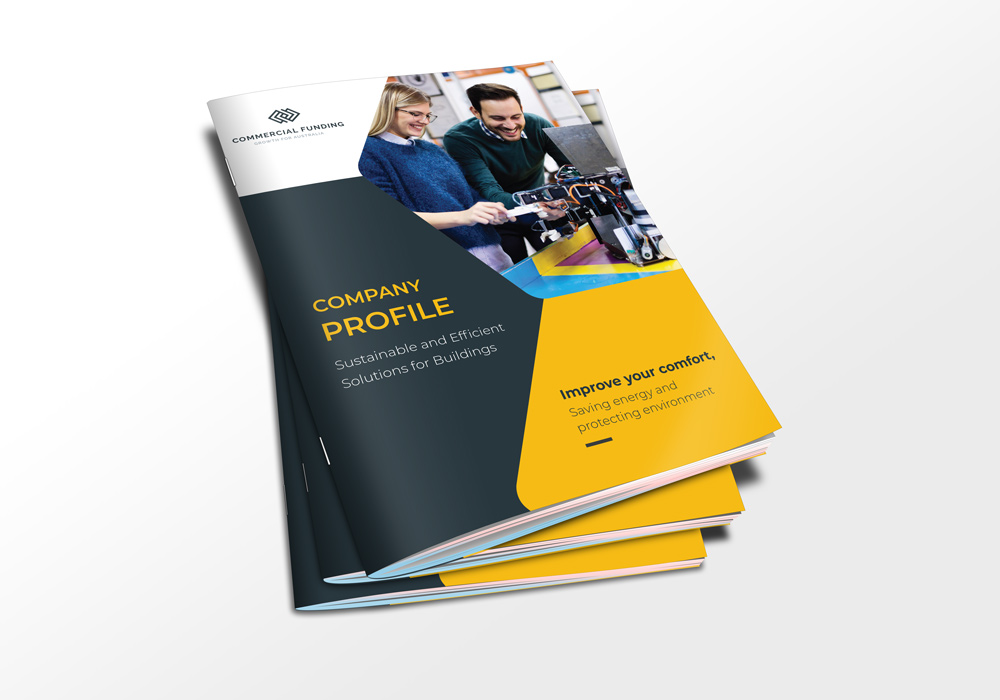
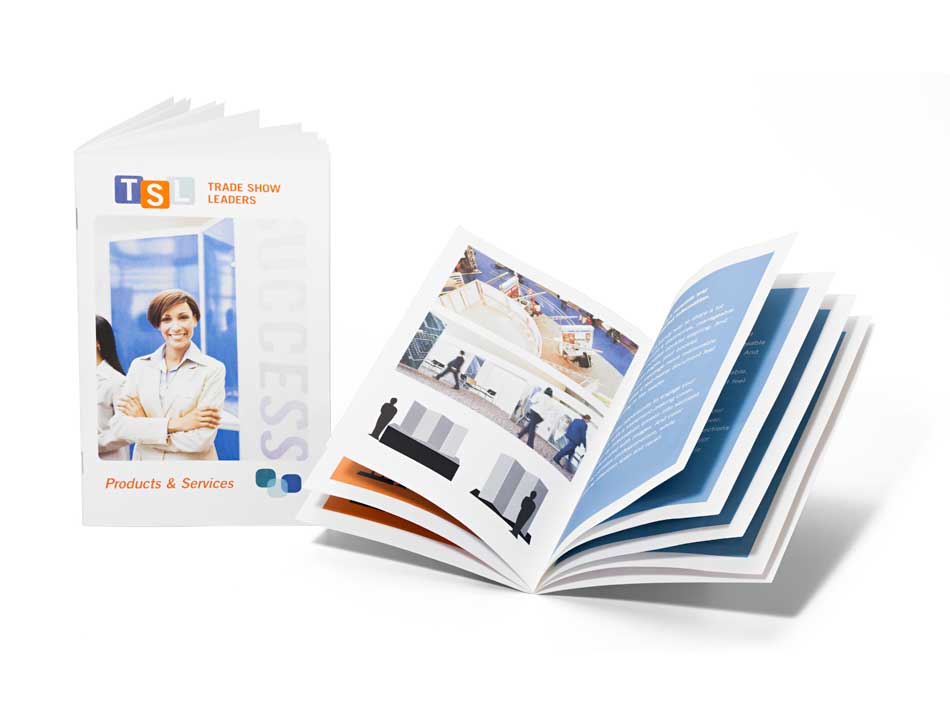
A booklet gives you room to say what a flyer cannot: a full product range, an event program, a set of instructions. Boxify Now prints saddle-stitched, perfect bound and wire-bound pieces for catalogs, manuals, menus, lookbooks and reports. Businesses buy booklets in the size, page count and paper they choose, and custom printed booklets can carry a heavier laminated cover with your logo on the front. Schools, distributors and franchise groups ordering booklets wholesale receive the same free design support and digital proof as a first-time customer. Buy now or request a quote.
Booklets are multi-page printed pieces, bound along one edge, that present more information than a single sheet can hold. Businesses use them as product catalogs, instruction manuals, event programs, menus, training guides and company profiles. A booklet is smaller and lighter than a book, and it is usually stapled, glued or wire bound, with or without a heavier cover.
The right binding depends mainly on page count and on how the booklet will be handled. Three methods cover almost every job.
Saddle stitching nests folded sheets inside one another and fixes them with two wire staples through the spine fold. It is the most economical binding, it opens flat enough to read comfortably and it suits thinner booklets such as programs, price lists, newsletters and instruction leaflets. There is no printable spine.
Perfect binding stacks the pages, glues them along the spine and wraps a cover around the block, giving the square edge you see on a paperback. Use it for thicker catalogs, lookbooks and annual reports, or whenever you want a title printed on the spine so the piece can be found on a shelf.
Wire-bound booklets are punched along one edge and held with a metal wire or a coil. Pages turn a full 360 degrees and lie completely flat, which is why this binding is chosen for workbooks, recipe collections, training manuals and anything used on a desk or workbench.
A saddle-stitched booklet must have a page count that divides by four, because every folded sheet creates four pages. Eight, twelve, sixteen and twenty pages all work; ten does not. Count every side as a page, including the front cover, inside front cover, inside back cover and back cover.
Printers describe the count in two ways. A “self-cover” booklet uses the same paper throughout, so a 16-page self-cover piece is four folded sheets. A “plus cover” booklet adds a heavier four-page cover around the inside pages, written as 16 pages plus cover. Past a certain thickness, staples stop holding the fold neatly and perfect binding becomes the better choice. Perfect bound and wire-bound booklets need pages in multiples of two.
The finished size is the size of the closed booklet. These are the formats ordered most often in the United States:
Custom sizes are available when a booklet has to fit a specific pack. Rule books that ship inside custom game boxes, for example, are trimmed slightly smaller than the box base so they lift out easily.
Choose inside paper for readability and cover paper for durability. Inside pages are normally a text-weight sheet in gloss, matte or uncoated. Gloss makes photographs vivid, matte reduces glare on pages with a lot of reading, and uncoated paper is the one to choose if readers will write in the booklet, as with workbooks and order forms.
Covers are usually a thicker cover stock, often laminated to resist scuffing and fingerprints. A self-cover booklet saves money and weight, which matters for mailing. A plus-cover booklet feels more substantial and stands up to repeated use on a sales counter.
Booklets are used wherever a customer or employee needs organized information they can keep. Manufacturers pack instruction and safety booklets with products. Restaurants print multi-page menus and wine lists. Schools, churches and theaters hand out programs. Sales teams carry catalogs and leave-behind company profiles, and real estate agents present listings in landscape booklets.
If your content fits on one folded sheet, brochures are the lighter and cheaper option. When a booklet is part of a larger information pack, it is often delivered inside a printed presentation folder along with loose inserts, and our folders printing page covers pocket sizes that hold a letter-size booklet.
Most booklet reprints come from avoidable file problems. Work through these steps before you send artwork:
In thicker saddle-stitched booklets, the inner sheets push outward and are trimmed slightly narrower than the outer ones. This is called creep, and it is the reason page numbers and borders should not sit close to the outside edge.
A finish on the cover protects the booklet and sets its tone. Matte lamination looks calm and modern, gloss lamination deepens color, and soft-touch lamination adds a velvety feel that suits lookbooks and premium catalogs. Spot UV can pick out a logo or photograph against a matte background, and foil stamping, embossing or debossing gives a title real presence. Aqueous coating is a practical, lighter protection for inside pages with heavy ink coverage.
Boxify Now prints custom booklets in the size, page count, paper and binding you specify, in CMYK or PMS colors. Free design support is included: our team can check your files, flag page count or margin problems and help with a cover layout if you need one. Every order gets a digital proof, page by page, and you approve it before anything is printed. Minimums are low and shipping is free; your quote will confirm delivery details for your location.
To order, tell us the finished size, the number of pages, the binding, the paper for cover and inside pages, any cover finish and the quantity. Send artwork as PDF, AI or EPS at 300 DPI in CMYK if it is ready. We reply with a quote that confirms the price and timeline.
Well-made printed booklets keep working long after a meeting or a sale, because people hold on to them. Tell us what yours needs to contain, and buy now or request a quote.
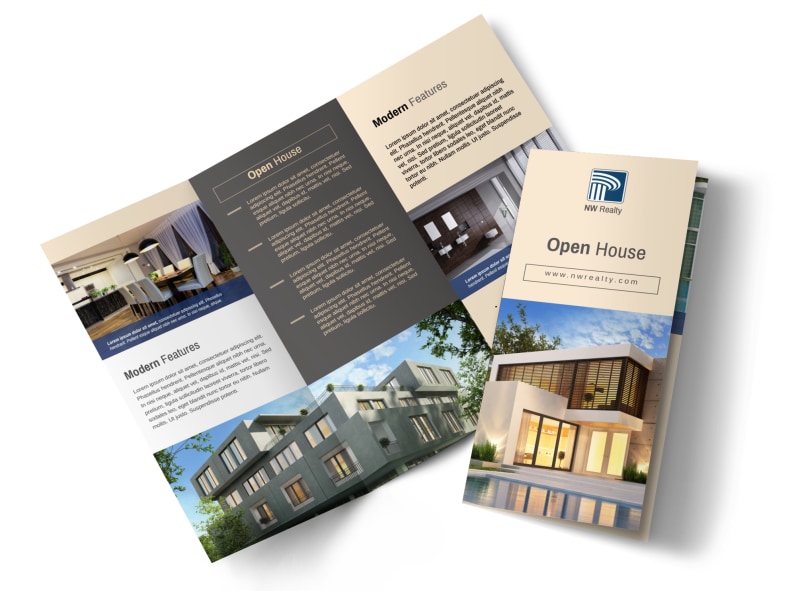
A brochure is a single sheet folded into panels, while a booklet is several sheets bound together into pages you turn. Choose a brochure for a short overview and a booklet when you have a catalog, manual or program to present.
Saddle-stitched booklets are made from sheets folded in half, and each folded sheet produces four pages. If your content runs to ten or fourteen pages, add two pages for notes, contact details or an image, or remove two.
Yes. The front cover, inside front cover, inside back cover and back cover are four pages. A booklet described as 16 pages plus cover has twenty printed sides in total, with the outer four on heavier cover stock.
A self-cover booklet uses the same paper for the cover and the inside pages. It costs less, weighs less for mailing and suits programs and instruction leaflets. A separate, heavier cover is better for catalogs that will be handled often.
Choose perfect binding when the booklet is too thick to staple neatly, when you want a printed spine or when you want the look of a paperback. Saddle stitch is better for thinner pieces and for booklets that need to open flat.
Yes. Besides the common letter and half-letter formats, we trim booklets to custom sizes, including small instruction booklets made to fit inside a product box. Give us the finished closed size and whether it is bound on the long or short edge.
Gloss text paper suits image-heavy catalogs, matte text paper is easier on the eyes for long reading, and uncoated paper is best when people need to write on the pages. We can recommend a weight once we know the page count.
Yes. Covers can be finished with matte or gloss lamination, soft-touch lamination, spot UV, foil stamping, embossing or debossing. Lamination is the most practical choice because it protects the cover from scuffs, moisture and cracking along the spine fold.
Send a single PDF with pages in reading order, not arranged as spreads, at 300 DPI in CMYK with 0.125 inch bleed. AI and EPS files are also accepted. Our design team checks every file before the proof is prepared.
Yes. You receive a digital proof showing every page in order, so you can check text, images, page numbers and the position of the fold or spine. Printing starts only after you approve the proof or request corrections.
Yes. We print in CMYK for photographs and general color work, and in PMS spot colors when a logo or cover color has to match your brand standard. List the PMS numbers with your order so they appear on the proof.
Minimums are low, so short runs for an event or a product launch are welcome alongside larger catalog orders. The starting quantity depends on size, page count and binding, and it will be shown on your quote before you commit.
The timeline is confirmed on your quote, because it varies with quantity, page count, binding and cover finish. Production begins once you approve the proof. If you have an event date, tell us when you ask for the quote.
Shipping is free. Your quote will confirm delivery details for your location, and booklets are packed in cartons to keep corners and spines from being crushed in transit. Give us the delivery address and any receiving instructions when you request the quote.
Yes. Free design support is included with every order. We can check and adjust files you supply, set up bleeds and margins, or help lay out a cover from your logo and brand colors. Complex multi-page layouts are discussed at the quote stage.