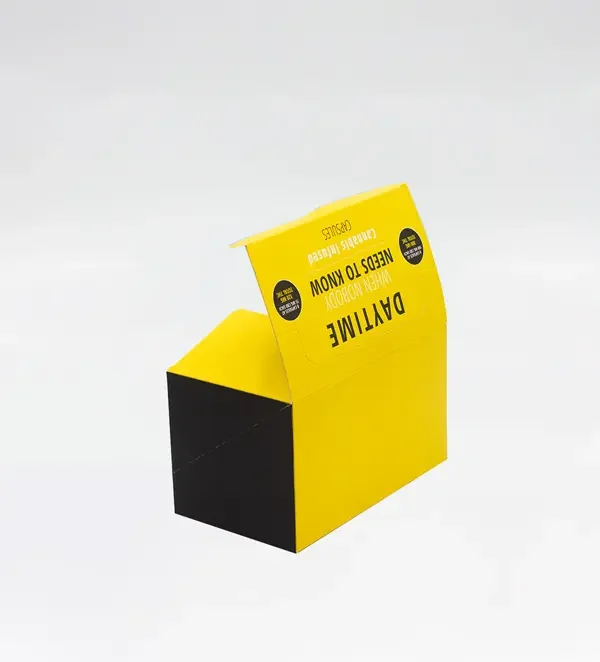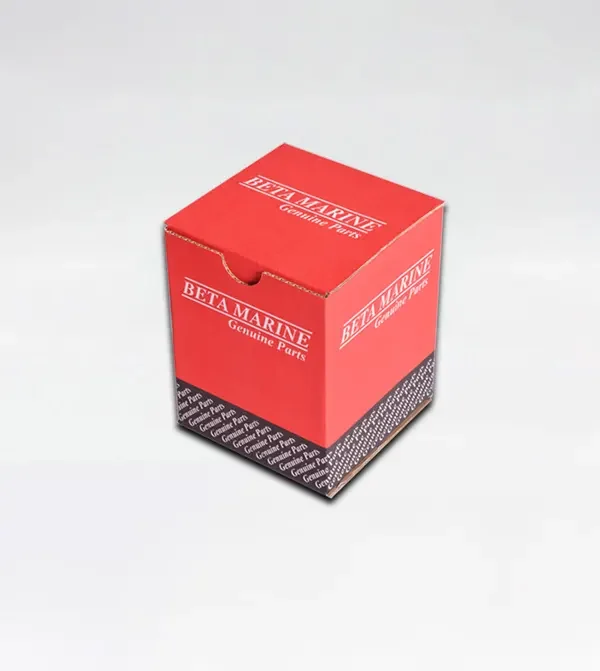
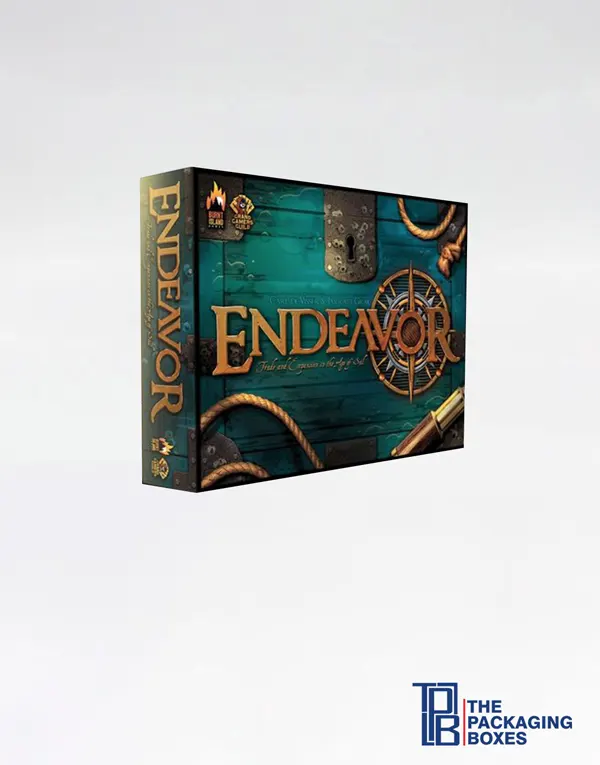
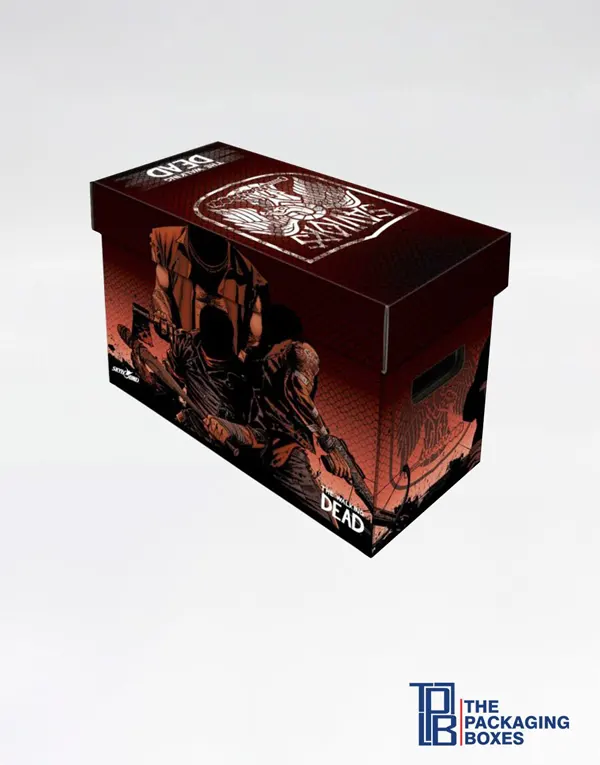
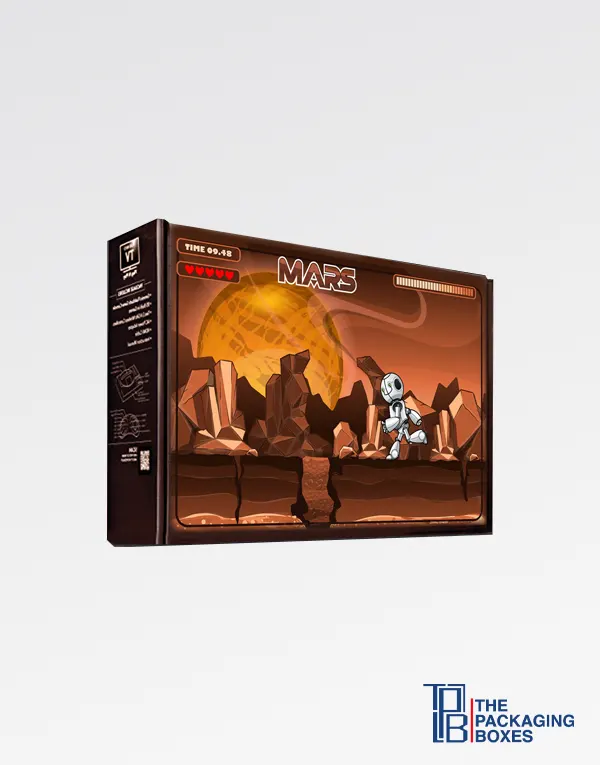
A board game lives in its box for years, so the packaging has to sell the game on the shelf and survive every game night after. Boxify Now makes custom printed game boxes for board games, card games, puzzles and party games, sized around your components in rigid board or sturdy paperboard. Publishers and crowdfunding creators buy game boxes with fitted inserts and matte or soft-touch finishes. We supply game boxes wholesale for retail runs and print game boxes with your logo at low minimums for a first edition. Buy now or request a quote.
Custom game boxes are printed boxes made to hold a specific game’s board, cards, pieces and rulebook. They do three jobs at once: present the game to a shopper, keep every component organized, and stand up to being opened, stacked and carried for years.
Anyone who publishes a tabletop game needs a box built around it. That covers independent designers running a crowdfunding campaign, established publishers adding a title to their line, educational companies producing classroom games, and brands commissioning a promotional game as a gift or event giveaway. Puzzle makers, escape-room kit sellers and trivia or party game startups use the same box formats.
What these buyers share is a product made of many loose parts. The box is the only thing that keeps the set complete, so structure matters as much as artwork.
The best style depends on how many components you have and how much they weigh.
This is the classic board game box: a base and a lid that slides fully or partly over it. Made from rigid chipboard wrapped in printed paper, it stacks well, resists crushing and gives you a large, flat lid for cover art. Our two-piece rigid setup boxes page explains the construction in more detail.
A game that is only cards, or cards plus a few tokens, fits a paperboard tuck box. It is light, inexpensive to ship and built like the playing card boxes used for standard decks, only deeper when the card count is higher.
Deluxe and collector’s editions often use a hinged rigid box with a magnetic flap. It opens like a book, which suits games with a story or campaign, and leaves room for a printed interior.
Game boxes are sized from the inside out. Work through it in order:
Resist the urge to oversize the box for shelf presence. Extra air raises shipping costs for you and your backers, and components that slide around arrive scuffed.
A game box is read from every side, in a store and on a shelf at home.
An insert keeps decks square, tokens sorted and the board flat. Paperboard inserts fold into wells sized for each component and can be printed to match the game. Corrugated platforms support heavier contents. Dividers separate decks, and a simple lift ribbon helps players remove a snug stack of cards. If you plan expansions, tell us early; a well can be left open for future content.
Rulebooks deserve a place too. Many publishers print them as saddle-stitched booklets sized to sit on top of the insert, just under the lid.
Rigid chipboard is the standard for board game boxes because it holds its corners after hundreds of openings. It is wrapped in printed art paper, with the edges turned in for a clean finish. Card game tuck boxes are made from SBS paperboard, typically in a heavier caliper so the flap survives repeated use. Kraft board suits games with a natural or handmade look. For shipping to backers, a corrugated outer carton protects the corners of the retail box.
Board thickness matters more than most first-time publishers expect. A large box full of punchboards and miniatures needs thicker chipboard than a small box of cards, because the base carries the whole load each time the game is lifted off a shelf.
Games get handled, so the finish has to protect the artwork as well as decorate it. We print in CMYK for illustration-heavy covers and in PMS when a logo color has to be exact. Matte lamination hides fingerprints and reduces glare under table lights; gloss deepens color; soft-touch gives a premium feel on deluxe editions. Spot UV can make a title or character stand out against a matte background, and foil stamping, embossing or debossing work well on logos and edition marks.
Think about where the game will be sold before you fix the dimensions. Hobby stores often shelve games on edge like books, so a side panel does the selling. Larger retailers face the lid forward and may ask for a particular shelf depth. If you are fulfilling a crowdfunding campaign, the retail box travels inside a shipping carton, and its size and weight drive the postage for every backer.
Boxify Now offers free design support, so a designer who has cover art but no dieline experience can have the files set up correctly. There are no die or plate charges, custom sizes are standard, and low minimums make a first print run or a batch for reviewers manageable. Send your component list, the quantity and any finish ideas, and we will return a quote with the timeline confirmed on it. Artwork is accepted as PDF, AI or EPS at 300 DPI in CMYK. You then review a digital proof and a 3D mockup before production starts. Shipping is free, and your quote will confirm delivery details for your location.
Tell us about your game and we will help you build the box around it. Request a quote for custom game boxes today.
There is no single standard, although many publishers use a square box close to 10 or 12 inches per side or a smaller rectangular format. We size every box to your folded board and component stack, so you are not limited to preset dimensions.
Most are rigid chipboard wrapped in printed paper, which keeps its shape and corners through years of use. Card-only games usually ship in SBS paperboard tuck boxes. Tell us the weight of your components and we will suggest a board thickness.
Yes. We make custom paperboard and corrugated inserts with wells and dividers sized for decks, token bags, dice and miniatures. Send the dimensions and quantity of each component, and the insert layout will be included on your proof.
Yes. Inside printing is available in CMYK or PMS. Game designers use it for maps, score tracks, quick-start rules, flavor text or a simple pattern that makes opening the box feel like part of the experience.
We do. Low minimums let independent designers produce a first edition, a convention batch or review copies without committing to a large run. Share your target quantity when you request a quote and we will confirm the options.
Matte or soft-touch lamination is a popular choice because it resists scuffs and cuts glare under lighting. Gloss lamination is equally protective and makes colors look richer. Spot UV over matte adds contrast on a title or logo.
Yes. Side panels are printed as part of the lid wrap, so the title, logo and icons for player count, age and play time can appear on every edge. That helps buyers spot the game when it is shelved on its side.
Stack every component as it will sit in the box, including the insert, rulebook and punchboards, and measure the height. Add a small allowance so the lid closes without pressure. Send that figure with the footprint and we will confirm the internal dimensions.
Paperboard tuck boxes for card games ship flat. Rigid two-piece and magnetic boxes are built from wrapped chipboard and normally arrive assembled, ready to fill. Collapsible rigid styles are an option when storage space is tight.
Supply PDF, AI or EPS files at 300 DPI in CMYK, built on the dieline we provide with bleed on every edge. Keep text and logos inside the safe area, since rigid box wraps turn over the edges of the board.
Yes. You receive a digital proof and a 3D mockup showing how the art wraps the lid and base. Check side titles, barcode position and panel orientation before approving, since production follows the approved proof.
Yes. Give us the dimensions and finish of the original box and we will match the footprint, board and lamination so the expansion lines up on the shelf. PMS colors help keep logo and trim colors consistent between print runs.
It depends on the box style, quantity and finishing. Rigid boxes with inserts take longer than simple tuck boxes. The timeline is confirmed on your quote, which makes it easier to plan fulfillment dates for backers or retailers.
Shipping is free, and your quote will confirm delivery details for your location. If you need boxes sent to a fulfillment partner or assembly house instead of your own address, mention it when you request the quote.
Yes. Puzzle boxes, trivia and party game boxes, and escape-room kits use the same two-piece, tuck and magnetic structures. We size them to the contents and print them with the same options for finishes and inserts.