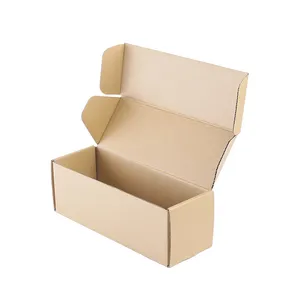
Swimwear is small, light and usually sold as a set, so it needs packaging that keeps the pieces together and gives them presence on a shelf or a doorstep. Swimwear boxes do that job for bikinis, one-pieces, trunks and cover-ups. Swim labels, boutiques and resort shops buy swimwear boxes from Boxify Now in paperboard, kraft or rigid board, cut to their own sizes. Order custom printed swimwear boxes in CMYK or PMS, and have swimwear boxes with logo artwork prepared by our free design team. Wholesale swimwear boxes are available at low minimums. Buy now or request a quote.
Swimwear boxes are printed paperboard, kraft or rigid boxes sized to hold bikinis, one-piece suits, swim trunks and cover-ups. Swim brands, boutiques and resort shops use them to keep sets together, protect delicate fabric and hardware, and give a very light garment some weight at retail. They work as shelf packaging, as gift boxes and as the inner box in an online order.
Mostly brands and shops that sell swimwear at a price where a clear bag no longer feels right. A bikini weighs a few ounces and folds into the palm of a hand, yet it can cost as much as a dress. The box closes that gap: it gives the customer something to hold, read and open.
Direct-to-consumer swim labels use boxes as the unboxing layer inside a shipping mailer. Boutiques and department store concessions stack them on tables in place of hangers, which keeps sets from being separated. Resort and hotel shops like them because guests buy swimwear as a gift or a souvenir and want it wrapped. Bridal and honeymoon gift sets, subscription clubs and kids’ swim lines round out the list.
It depends on where the suit is sold and how it gets to the customer. These are the structures swim brands ask for most:
Fold the garment the way it will be packed, measure the folded stack, and add about a quarter inch of clearance on each side. Measure your largest size, not your sample size, because an extra-large folds noticeably thicker than a small.
A soft triangle top and bottom fold almost flat, so a shallow box is enough. Molded cups and underwired tops are different: the box depth has to match the height of the cup, or the lid will flatten it and leave a crease that does not come out. Measure the cup standing up and use that as your depth.
Fold in thirds lengthwise, then in half. The result is a flat rectangle that suits a slim tuck carton or a shallow two-piece box. Suits with ruffles, rings or tie details need a little more depth.
These are bulkier, with mesh liners, drawcords and waistbands that add thickness. Fold in half, then in thirds, and allow more depth than you would for women’s styles.
Most lines can be covered with two or three box sizes. That keeps ordering simple and means you are not storing a different carton for every style.
A window helps when color and print sell the suit, which is true of most swimwear. A die-cut opening, left open or covered with clear PET window film, lets a shopper see the fabric without unfolding the set, so stock stays tidy.
The trade-off is that a window shows only one fold of fabric and offers less protection in the mail. If you would sooner keep the box closed, print a color swatch or pattern panel on the outside, and mark style, color and size on the end panel. Small runs of custom labels and stickers do this well, because one box design can then serve every size in the range.
Choose the board by how the box will travel and what your brand looks like.
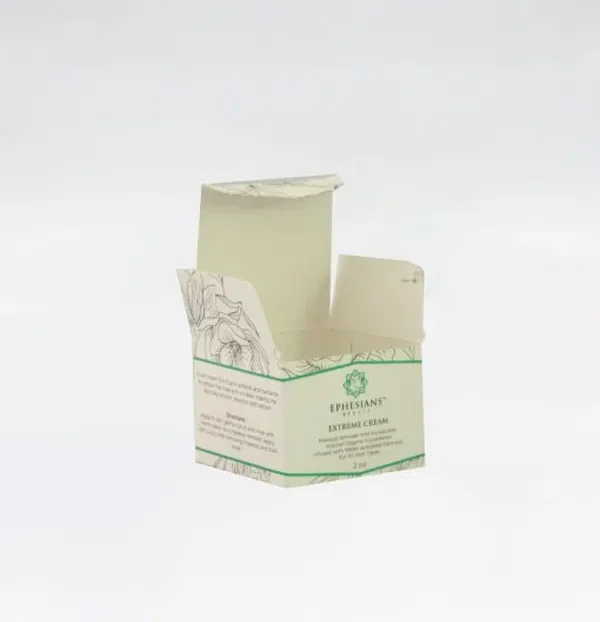
SBS paperboard is bright white and smooth, which makes saturated tropical colors and photographic prints look sharp. It is the usual choice for tuck cartons, sleeves and pillow boxes.
Kraft board has a natural brown surface that suits brands working with recycled or plant-based fabrics. Inks print slightly darker and warmer on kraft, so simple one or two color designs work best.
E-flute corrugated is thin but stiff, and is the right pick for mailer-style swimwear packaging that ships without an outer carton.
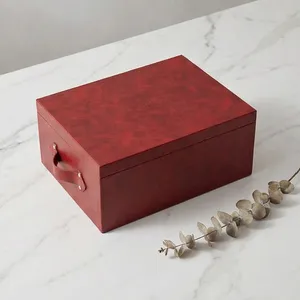
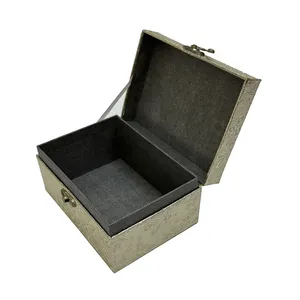
Rigid chipboard wrapped in printed paper is the heaviest option, used for gift sets and limited collections where the box is meant to be kept.
Swim collections change every season, and the packaging can change with them without a new structure. Keep the same box sizes and update only the artwork. Because there are no die or plate charges, a new print for each collection is practical even for a small label.
CMYK printing handles florals, gradients and photography. PMS inks hold a signature brand color steady from one run to the next. Printing inside the box, for example repeating the season’s fabric print on the inner lid, is a detail customers notice.
For finishes, matte or soft-touch lamination gives a calm, premium surface, gloss makes bright colors pop, and spot UV or foil stamping picks out a logo. In a beach or resort shop, where boxes are handled with damp or sunscreen-covered hands, a laminated surface wipes clean far better than uncoated board.
Wrap the suit in a sheet of printed tissue wrapping paper before it goes in the box. Tissue stops metal rings, clasps and sliders from pressing marks into the fabric and makes the opening feel finished.
Tuck straps and ties inside the fold so nothing catches when the lid closes. Place the care card on top, since chlorine and sun care advice is something customers want before the first wear.
Swimwear is often exchanged for a different size, so pick a box that opens and recloses without tearing. A customer who can repack the suit neatly is more likely to send it back in sellable condition.
We make custom swimwear boxes to your measurements, with free design support and no die or plate charges. Printing is available outside and inside in CMYK or PMS, and you can add inserts or dividers to hold a top and bottom side by side. Every order gets a digital proof and a 3D mockup before production. Boxes ship flat where the style allows, shipping is free, and minimums are low enough for a first collection.
Whether you are packing a first drop or restocking for peak season, printed swimwear boxes make a light product feel complete. Buy swimwear boxes online today or request a quote to get started.
Most are made from SBS paperboard or kraft board, which fold into tuck cartons, sleeves and pillow boxes. E-flute corrugated is used for mailer styles that ship on their own, and rigid chipboard wrapped in printed paper is used for gift sets and premium collections.
Fold the top and bottom as you plan to pack them, measure the stack and add a quarter inch all around. Soft triangle sets fit a shallow box, while molded or underwired tops need a depth equal to the height of the cup.
Often two or three sizes cover everything. Size each box around the largest garment it will hold, then use stickers or printed end panels to mark style, color and size. Fewer box sizes means simpler reordering and less storage space taken up.
Yes, a die-cut window can be left open or covered with clear PET film. It lets shoppers check color and print without unfolding the suit. For boxes that travel by mail, a closed design with a printed swatch panel usually protects better.
Not if the depth is right. Measure the cup standing upright and make that the internal depth, so the lid closes without pressure. A simple paperboard insert can also hold the top in shape and keep the bottoms folded beside it.
Corrugated mailer-style boxes can ship as they are with a label on the outside. Paperboard cartons and rigid boxes are presentation packaging and should travel inside a mailer bag or shipping carton, so they reach the customer without dents or scuffed corners.
Yes. We print outside and inside in CMYK or PMS colors. Brands often repeat a fabric print, a tropical pattern or a short message on the inner lid, which adds a lot to the unboxing for very little change to the design.
Matte or gloss lamination is the safest choice because it resists moisture from damp hands and wipes clean. Soft-touch feels more luxurious but shows marks more readily on dark colors. Aqueous coating offers lighter protection on boxes that see less handling.
Yes. Keeping the same structure and sizes while refreshing the print is the usual approach for swim collections. Since we do not charge for dies or plates, updating artwork for a new season or a limited collaboration does not bring new die or plate fees.
We do. A paperboard divider or die-cut insert can separate the top from the bottom, hold molded cups upright or keep a matching accessory in place. Describe what goes in the box and we will suggest a layout with your quote.
Minimums are low, which suits new labels testing a first collection as well as established brands ordering by style. Share the quantity you are thinking about and we will quote that amount, plus higher volumes if you want to compare.
It varies with the box style, finishes and quantity, so the timeline is confirmed on your quote. If you are working back from a season launch or a trade show, tell us the date when you ask for pricing.
Every order includes a digital proof and a 3D mockup. You can check colors, logo placement, text and window position on screen, and request changes. Production only begins after you have approved the final version.
PDF, AI or EPS files at 300 DPI in CMYK are best, with PMS numbers listed for any spot colors. If you only have a logo and a rough idea, our design team can build the layout for you at no charge.
Paperboard, kraft, corrugated and rigid chipboard are all paper-based and widely recyclable, though local rules vary. If that matters to your customers, uncoated kraft with simple printing and an open window instead of film keeps the box as close to all-paper as possible.