
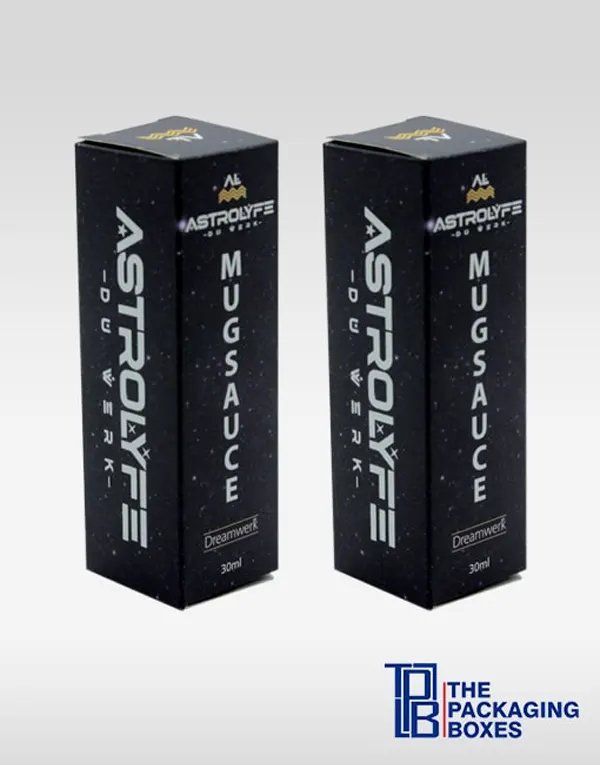
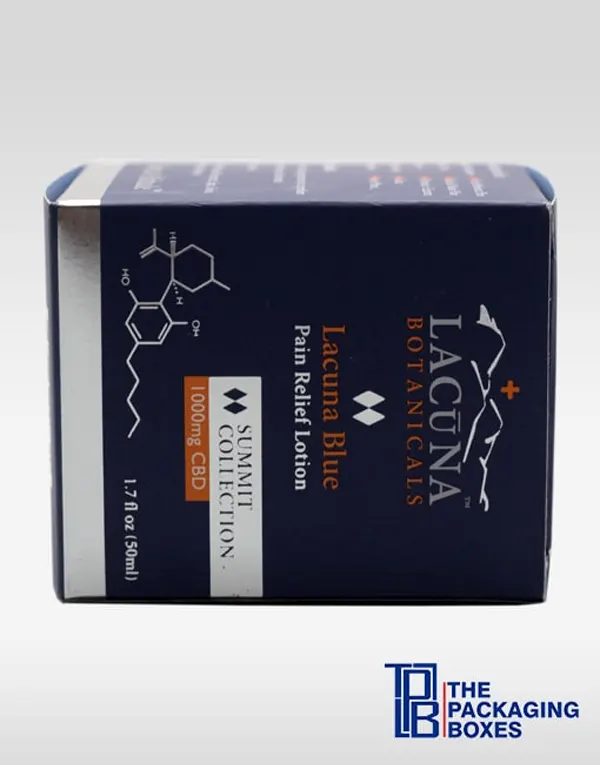
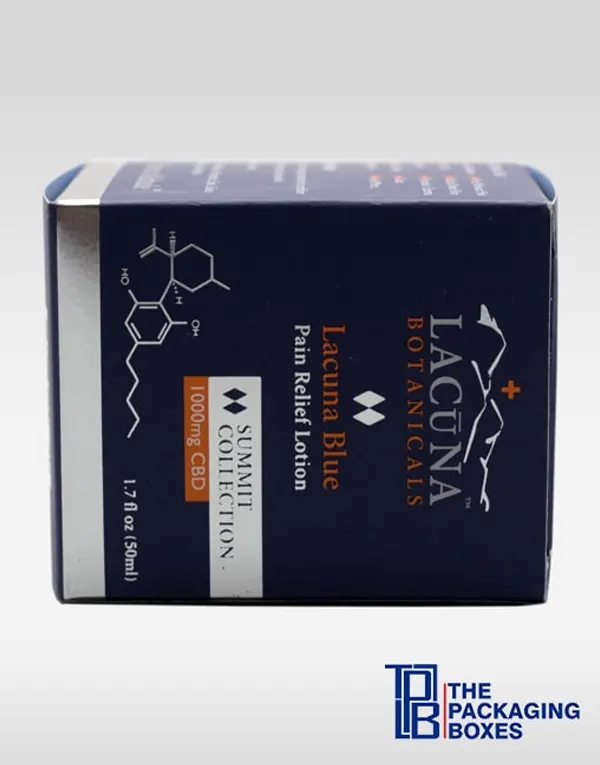
Straight tuck end boxes are folding cartons whose top and bottom flaps both tuck in the same direction, which keeps the display panel clean and free of cut edges. They are the retail standard for cosmetics, supplements, pharmacy items, small electronics and food. Brands buy straight tuck end boxes when shelf appearance comes first. Custom printed straight tuck end boxes can include windows, hang tabs and inserts, and they ship flat for easy storage. Order straight tuck end boxes wholesale for ongoing product lines, printed with your logo inside and out. Buy now or request a quote.
Straight tuck end boxes are folding cartons with a tuck flap at the top and another at the bottom, both hinged to the same panel so they close in the same direction. The style gives a tidy, uninterrupted display face and opens and recloses easily. It is one of the most common retail cartons for cosmetics, health products, food and small consumer goods.
The difference is the direction in which the two end flaps close. On a straight tuck end carton, the top and bottom flaps hinge from the same panel and tuck the same way. On a reverse tuck end carton, the top flap tucks one way and the bottom flap tucks the opposite way.
That sounds minor, but it changes how the box looks. With a reverse tuck, one end always shows a cut edge on the front. With a straight tuck set up for display, both cut edges are kept off the front, so the printed face runs clean from top to bottom. The trade-off is that straight tuck blanks nest a little less efficiently on the press sheet, so they use slightly more board. Both styles sit within our wider range of tuck boxes.
Brands whose product is light and whose packaging has to look sharp on a shelf.
The style suits anything that slides in from the end and does not put much load on the bottom flap.
Because that is the panel the shopper sees first, and a straight tuck keeps it clean. With no flap edge cutting across the top or bottom of the display face, artwork can run to the edges, a window can sit higher on the panel, and foil or embossing is not interrupted by a tuck line. Premium cosmetics and fragrance cartons use this style for exactly that reason.
It also makes shelf blocks look better. When a row of cartons sits side by side, matching clean edges read as one continuous band of color.
One practical note: decide which end the customer should open. Both ends work the same way, so many brands print a small “open here” cue or place a thumb notch on the top flap to steer people to the right end, which keeps leaflets and droppers from falling out of the bottom.
The standard closure. The tuck flap is cut slightly wide so it presses against the side walls, and the dust flaps underneath hold it in place. It is quick to open and reclose.
Small slits cut into the tuck flap’s fold catch on the edges of the dust flaps. This gives a firmer hold for products that are handled a lot, and it stops the flap springing open on stiffer board.
A clear or printed seal label over the flap edge, or a perforated tear tab, shows whether a carton has been opened. Pharmacy and supplement brands often specify one.
Pick a different bottom when the product is heavy. A tuck flap is held by friction, so a glass jar or a full bottle can push it open from inside. For those, a locking base is the better choice, and our snap lock boxes keep the same tuck top with a stronger 1-2-3 bottom. As a rule of thumb, if you would hesitate to pick the filled carton up by its sides, it needs more than a tuck.
SBS paperboard is the usual choice, since its smooth white surface carries fine type, photographs and metallic effects well. Thicker board suits larger cartons and heavier contents, and thinner board is fine for small, light items. Kraft paperboard gives an earthy, uncoated look that suits natural brands. Metalized and textured papers are options for prestige lines. For bulkier products, E-flute corrugated can be made in the same style.
Give internal dimensions as length, width and depth. Length and width are the two sides of the opening, with length being the longer, and depth is the distance between the two tuck ends.
Send the product itself if the shape is unusual and we will size the carton from it. A carton that is a touch too loose lets the product knock about and wears the print from inside, while one that is too tight splits at the glue seam, so it is worth getting this right before artwork begins.
Straight tuck cartons take add-ons well. A die-cut window, open or with clear PET film, shows the product’s color or shade. A hang tab extended from the back panel, often built as a fifth panel, lets the carton hang on a peg without changing the front. Paperboard inserts and platforms hold bottles upright and raise small items to the window. Many beauty brands use the same carton structure across a whole range of cosmetic boxes and change only the size and color.
Boxify Now prints straight tuck end boxes in CMYK and PMS, outside and inside, with matte or gloss lamination, soft-touch, aqueous coating, spot UV, foil stamping, embossing and debossing. Sizes are custom, there are no die or plate charges, and free design support is included.
To order, send your internal dimensions, quantity, board preference and artwork as PDF, AI or EPS at 300 DPI in CMYK. Your quote confirms price, timeline and free shipping details. You approve a digital proof and 3D mockup before production, and the cartons ship flat. Minimums are low, so a new shade or flavor does not need a large commitment.
For a carton that puts a clean face on your product, buy custom straight tuck end boxes online or request a quote today.
It is a folding carton with tuck flaps at both ends that hinge from the same panel and close in the same direction. The design keeps the display face neat, and the box can be opened and reclosed from either end.
On a reverse tuck carton the top and bottom flaps close in opposite directions, so one cut edge shows on the front. A straight tuck keeps both cut edges off the display face. Reverse tuck uses slightly less board; straight tuck looks cleaner.
They are best for light to medium-weight items that load from the end: cosmetics, tubes, vitamins, tea, small electronics, cards and samples. Heavier products in glass usually need a locking bottom so the base does not open under load.
A small, light bottle is fine, especially with a slit lock or an insert. For heavier glass, the friction-held bottom can work loose, so a snap lock or auto lock base is safer. Tell us the filled weight and we will advise.
A slit lock is a pair of short cuts at the fold of the tuck flap that catch the dust flaps when the box is closed. It holds the flap more firmly than friction alone, which helps with stiff board and frequently handled products.
It depends on carton size and product weight. Small, light cartons use thinner paperboard, and larger or heavier ones need a thicker board to stay square. Give us your dimensions and contents, and we will recommend a board that folds and stands well.
Yes. Because the front panel has no flap edge crossing it, a window can be placed almost anywhere on it. Windows can be left open or covered with clear PET film, and cut in a custom shape to suit the design.
Yes. A hang tab with a round hole or Euro slot can extend from the back panel, sometimes as a reinforced fifth panel. It lets the carton hang on retail pegs while keeping the front face and its artwork unchanged.
Yes. Inside printing is available in CMYK or PMS. Brands use it for instructions, ingredient stories, patterns or a simple block of color. It adds interest when the carton is opened without changing the outside design.
You can choose matte or gloss lamination, soft-touch, aqueous coating, spot UV, foil stamping, embossing and debossing. Since the display face is uninterrupted, foil and embossed details can run closer to the top and bottom edges than on other tuck styles.
Provide internal length, width and depth, where depth is the distance between the two tuck ends. Measure the product at its widest points and add a little clearance. If you are unsure, send the product measurements and we will propose a size.
Yes. Straight tuck cartons are glued along the side seam and delivered flat. To use one, squeeze it open into a tube, fold in the dust flaps and tuck one end, load the product, then tuck the other end closed.
Minimums are low, which helps when you have several shades or flavors and need a modest quantity of each. We can also quote larger wholesale runs. List every size and version you need so the quote reflects the whole range.
The timeline is confirmed on your quote, based on quantity, board and finishing. Nothing is printed until you approve the digital proof and 3D mockup. If you have a launch or retailer delivery date, share it at the start.
Send PDF, AI or EPS files at 300 DPI in CMYK on the dieline we supply. Keep text away from folds and tuck flaps. If you need a hand, free design support is available to set up or adjust your files.


