
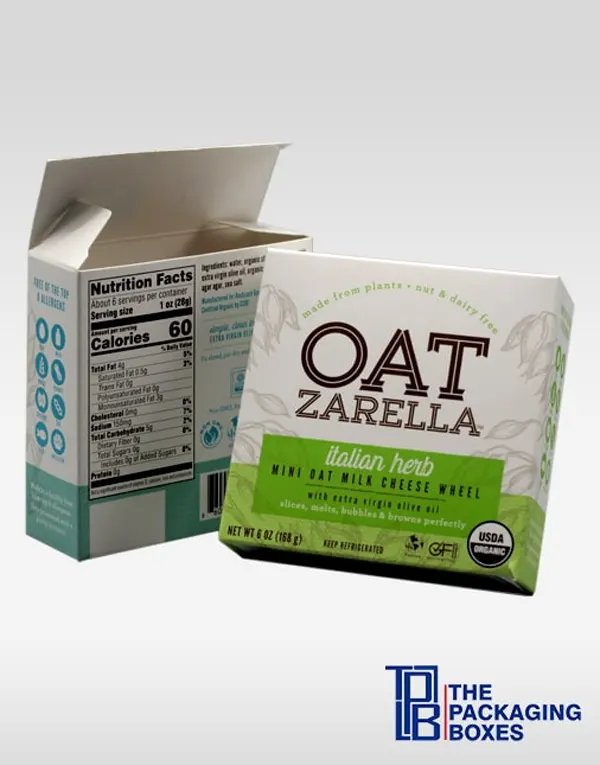
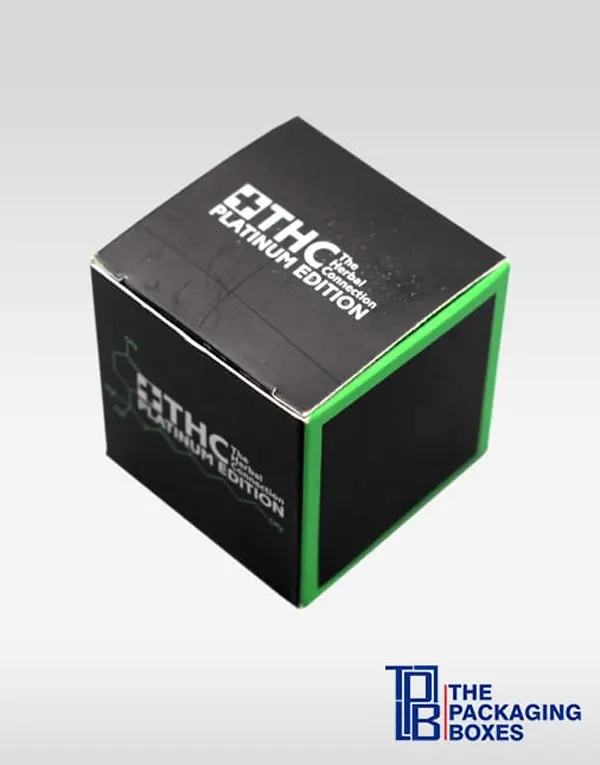
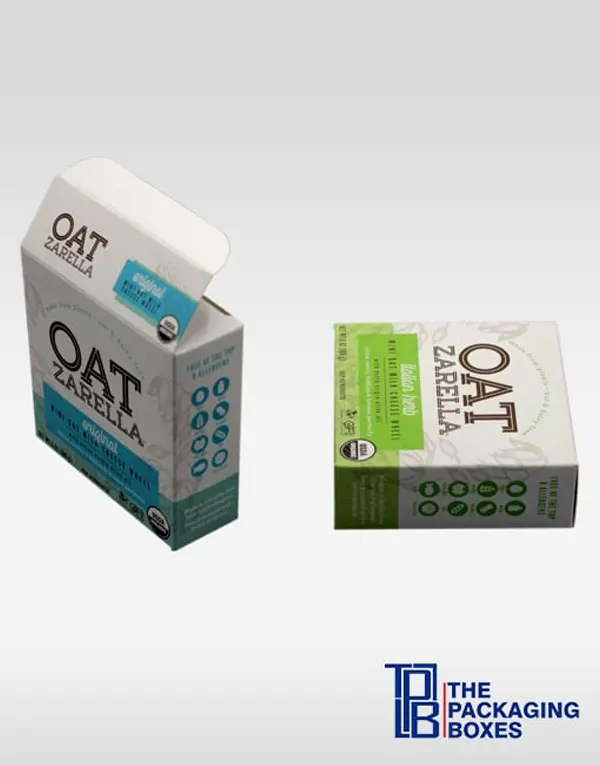
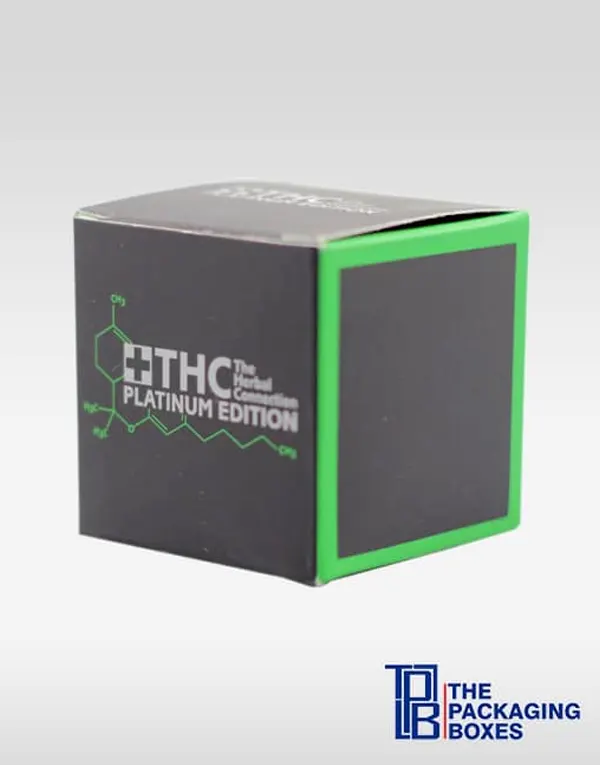
Snap lock boxes are folding cartons with a 1-2-3 bottom: four base flaps that fold in sequence and lock together without glue or tape. That stronger base makes them a favorite for candles, jars, bottles, supplements and other products too heavy for a simple tuck end. Custom printed snap lock boxes ship flat and assemble in seconds. Small brands buy snap lock boxes for short runs, while distributors order snap lock boxes wholesale for regular replenishment. Add a window, an insert or a hang tab, and print the carton with your logo. Buy now or request a quote.
Snap lock boxes, also called 1-2-3 bottom boxes, are folding cartons whose base is formed by four flaps that fold in order and lock into each other. No glue or tape is needed, and the finished base carries more weight than a tuck flap. They are used for candles, cosmetic jars, bottles, food items and other medium-weight retail products.
It works by folding four flaps in a set order so the last one locks the others. That is where the name 1-2-3 bottom comes from.
Once locked, the flaps brace against one another. The more weight pushing down from inside, the more firmly the base holds. The top is normally a tuck flap with dust flaps, so the box opens and recloses as often as needed.
The first few boxes feel fiddly, and then the motion becomes automatic. If a base will not catch, the usual cause is folding the flaps out of order, so check that the large plain flap went in first and the tongued flap last.
They are used wherever a tuck end bottom might give way but a glued base is more than the job needs. Typical products include:
Candle makers are among the biggest users, and many start with a snap lock base before moving to fully fitted candle boxes with inserts as their range grows.
Choose by product weight and by how many boxes you assemble at a time.
In short, snap lock sits in the middle: more secure than a tuck, simpler to make than a glued crash bottom. If speed on the packing line matters more to you than anything else, compare our auto lock boxes before you decide.
Enough for most single retail products in glass or tin, provided the board is matched to the load. Capacity comes from two things: the thickness of the board and the footprint of the base. A narrow, tall carton concentrates weight on small flaps, while a wide base spreads it.
If the product is heavy for its size, such as a dense glass jar, step up the board thickness or move to E-flute corrugated. Tell us the filled weight and we will recommend the construction. For anything shipped individually by mail, plan on an outer carton as well, because a retail folding carton is not designed to take parcel handling alone.
Smooth, bright white board that gives the sharpest print. It is the standard for cosmetics, candles and food retail.
Unbleached brown board with visible fiber. It suits natural and handmade brands and prints well with dark inks and white.
A thin corrugated board with a printed outer liner. Choose it for heavier items or when the box needs a little cushioning.
Whichever you choose, the board has to be stiff enough for the locking tongue to hold its shape, so very light paperboard is a poor match for this base. Paper-based packaging is widely recyclable, though local rules vary.
Measure the product, then add clearance. Folding cartons are specified by internal length, width and depth, in that order: length and width describe the opening, and depth is the distance from the top to the base.
Measure the widest points of the product, including lids, pumps and labels that stand proud. Add a small allowance so the item slides in without force, and a little more if you are using an insert. If you are unsure, send us the product dimensions and weight and we will propose a size.
A snap lock carton takes most of the same options as any folding carton. A die-cut window, open or covered with clear PET film, shows the product’s color or fill level. Paperboard or corrugated inserts hold a jar centered and stop glass touching the walls. Dividers separate sets. A hang tab on the top panel lets lighter products go on pegs, and a tear strip or seal label adds tamper evidence. Brands that want the product on show often look at our window boxes for layout ideas.
Snap lock packaging is printed in CMYK or PMS colors, on the outside and, if you want, the inside. Remember that the bottom flaps are visible when a shopper turns the box over, so decide whether they carry a solid color, a barcode or nothing at all.
Finishes include matte or gloss lamination, soft-touch, aqueous coating, spot UV, foil stamping, embossing and debossing. Soft-touch with a foil logo is popular for candles, while gloss suits food and supplements where color needs to stand out.
Boxify Now makes printed snap lock boxes in custom sizes with free design support and no die or plate charges. Send your dimensions, quantity and artwork as PDF, AI or EPS at 300 DPI in CMYK. We confirm price, timeline and free shipping on your quote, then send a digital proof and 3D mockup for approval. Minimums are low, and the boxes ship flat.
If your product needs a firmer base than a tuck end can give, buy custom snap lock boxes online or request a quote and we will match the board and size to the weight you are packing.
A snap lock box is a folding carton with a base made from four interlocking flaps. They fold in sequence and the last flap locks into a slot, creating a firm bottom without glue or tape. It is also known as a 1-2-3 bottom box.
The name describes the assembly. Step one folds the back flap, step two folds the two side flaps, and step three pushes the front flap’s tongue into place. Three quick movements and the base is locked and ready to fill.
An auto lock base is glued during manufacturing and pops into shape as the box is opened. A snap lock base is folded by hand. Auto lock is faster and stronger; snap lock needs no glued base and suits smaller runs.
Yes, for typical retail jars and bottles when the board is matched to the weight. For dense or large glass, choose thicker paperboard or E-flute corrugated and consider an insert. Share the filled weight and dimensions so we can recommend a construction.
No. The base locks mechanically and the top closes with a tuck flap. The only glue is the factory side seam that turns the flat sheet into a tube. Some brands add a seal label over the top flap for tamper evidence.
A few seconds per box once you know the fold order. For a small brand packing by hand, that is rarely an issue. If you are filling very large quantities at a time, an auto lock base may save enough labor to be worth considering.
SBS paperboard, kraft paperboard and E-flute corrugated are the main options. SBS gives the cleanest print, kraft gives a natural look, and corrugated adds strength for heavier products. Thickness is selected according to the size and weight of your item.
Yes. A die-cut window can be placed on the front or side panel, either left open or covered with clear PET film. It is a good way to show candle color, product texture or fill level without the box being opened.
Yes. Custom paperboard or corrugated inserts can hold a jar or bottle centered, and dividers can separate multiple items. Inserts are designed along with the box so the internal dimensions allow for them. Tell us how many pieces go in each carton.
Yes. We print CMYK and PMS on the outside and inside. An inside print works well for a pattern, a brand story or care instructions, and it makes use of space the customer sees every time the box is opened.
Matte or gloss lamination, soft-touch, aqueous coating, spot UV, foil stamping, embossing and debossing are all available. You can combine them, for example a soft-touch carton with a foil-stamped logo and spot UV on a product image.
Yes. They are delivered flat with the side seam glued, which keeps freight and storage space to a minimum. You open each carton into a tube, lock the base, insert the product and tuck the top closed.
We offer low minimums, so you can order a short run for a new scent, flavor or seasonal product. Larger wholesale quantities are available as you grow. Include the quantities you want to compare when you request a quote.
The timeline is confirmed on your quote. It varies with quantity, material and finishing, and production is scheduled once you approve the digital proof and 3D mockup. Let us know about launch dates early so we can plan around them.
We accept PDF, AI and EPS files at 300 DPI in CMYK, set up on the dieline we provide. If you need help placing artwork across the panels and bottom flaps, our design support is free of charge.


