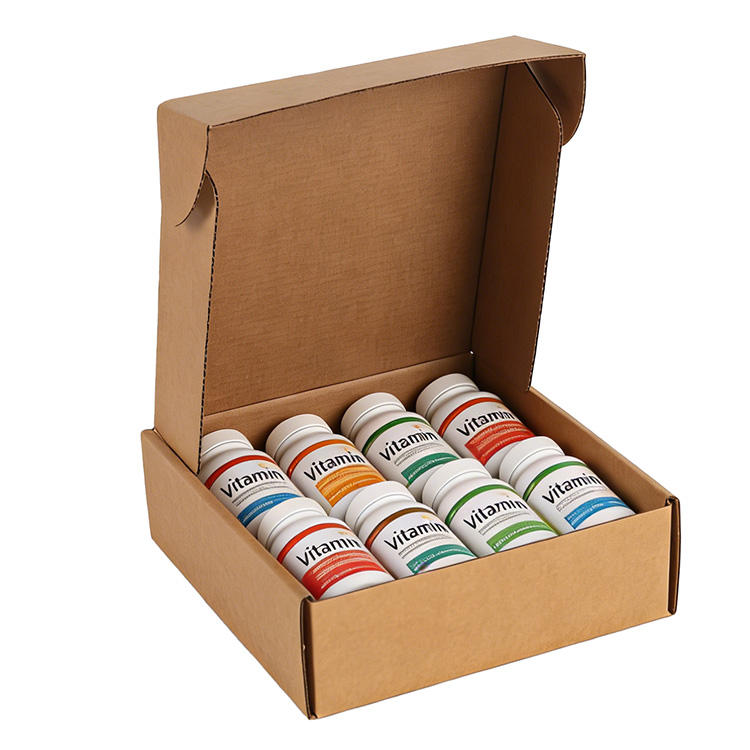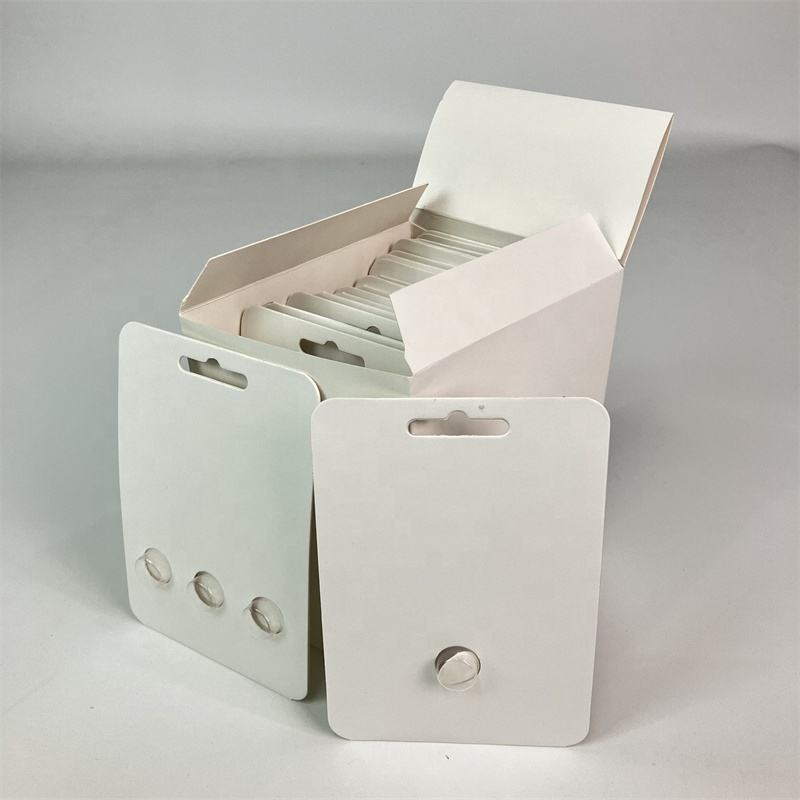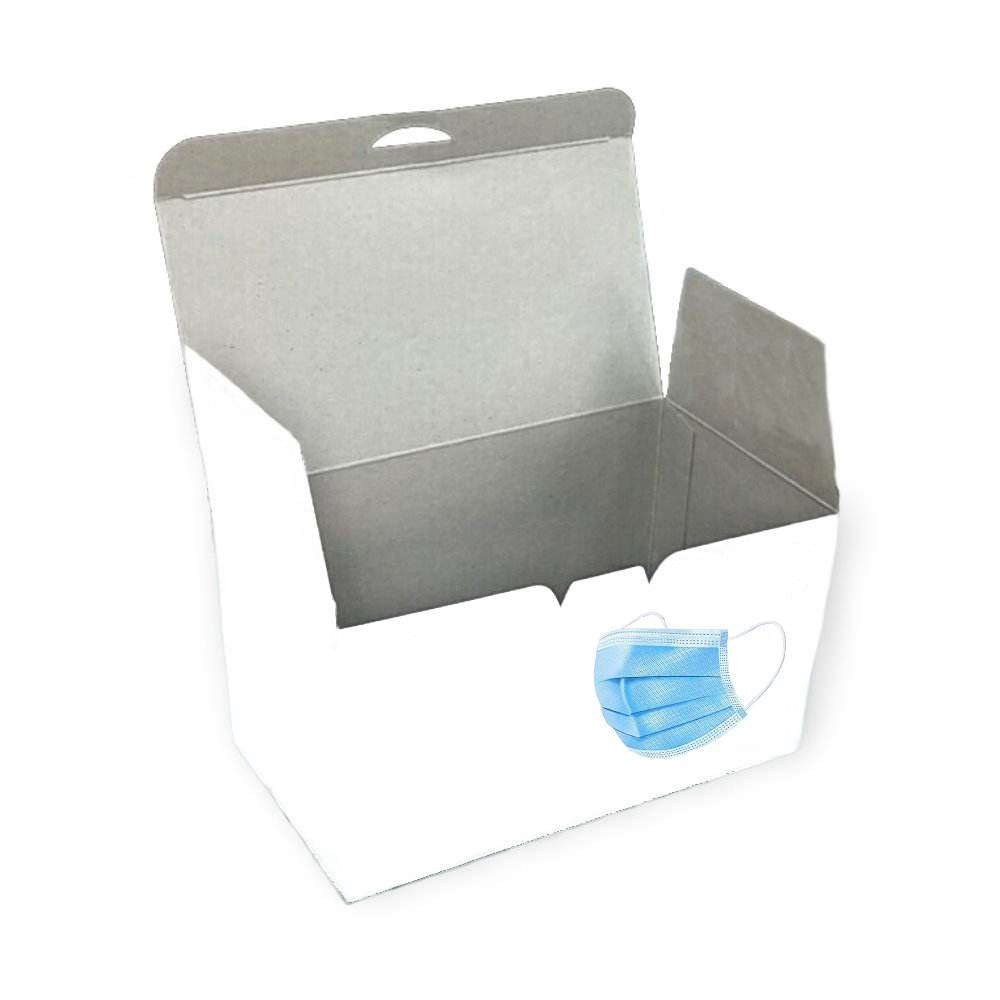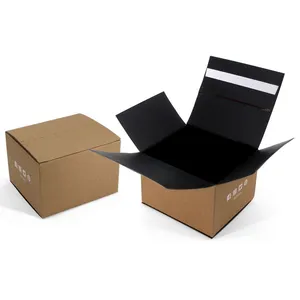
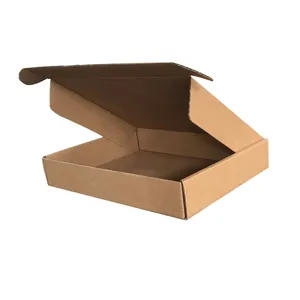
Pharmaceutical boxes are printed folding cartons that hold blister packs, bottles, tubes, vials and sachets, and present the product name, strength, directions and batch details in a clear, legible layout. Boxify Now supplies custom printed pharmaceutical boxes to manufacturers, compounding pharmacies, contract packers and over-the-counter brands in exact sizes, with leaflet space and tamper-evident closures. Add pharmaceutical boxes with your logo in CMYK or PMS, and review a proof before anything prints. Buy pharmaceutical boxes for a single product, or arrange pharmaceutical boxes wholesale across a full range. Buy now or request a quote.
Pharmaceutical boxes are paperboard cartons used as the outer packaging for medicines and related products, including blister packs, bottles, tubes, vials and sachets. They protect the primary pack, hold the patient leaflet, and present the product name, strength and batch details in a form that pharmacists and patients can read quickly. Most are folding cartons printed on white paperboard.
A pharmaceutical box has four jobs: protect, inform, identify and show tampering. It is more functional than most retail packaging, and the test of a good one is that nobody misreads it.
Protection means keeping a blister card from being crushed and a bottle from knocks and light. Informing means carrying the text that will not fit on the primary pack and enclosing the leaflet. Identifying means a pharmacist can pick the right product and strength from a shelf of similar cartons. Showing tampering means the customer can tell at a glance whether the carton has been opened.
Buyers include manufacturers, compounding pharmacies, contract packers, over-the-counter and private label brands, veterinary suppliers and clinical trial teams. Pharmacies that dispense in cartons often add printed paper prescription bags at the counter.
Blister cards go in a shallow tuck end carton sized to the stack of cards plus the folded leaflet. The number of cards sets the depth. Reverse tuck is the usual structure because it runs well on packing lines, and our tablet packaging boxes cover this format in more sizes.
Bottles stand upright in a tuck end carton. For heavier glass, an auto-lock bottom keeps the base from opening under the weight. Vials and ampoules need dividers or a die-cut platform so glass does not touch glass.
Tubes take a long, slim tuck carton. Sachets are often packed in a dispenser carton with a perforated tear-out opening, so they can be taken one at a time. Droppers, applicators and similar items need an insert to stop them moving, much like the fitted cartons used for medical device boxes.
SBS paperboard is the usual choice. It is white, smooth and folds cleanly, and it holds very small text without the letters filling in. Board between 14 and 18 point suits most cartons, with the heavier end used for glass bottles and multi-packs.
Kraft board is sometimes chosen for herbal and natural product lines, though its brown surface lowers contrast for fine print. E-flute corrugated is used for outer shippers and bulk clinic packs. Rigid chipboard appears mainly in sample kits and presentation packs. Paper-based packaging is widely recyclable, and local rules vary.
They go on a dedicated blank panel, usually an end flap or side panel, that is left free of varnish and lamination. Inkjet, laser and hot-stamp coding all need a bare board surface to mark properly, and a coated panel can cause smearing or poor adhesion.
Tell us the coding method and the size of the area you need, and we will build the knockout into the dieline. The same care applies to barcodes. Linear codes and 2D data matrix codes need a quiet zone around them, strong contrast and a flat panel, so keep them away from folds, glue flaps and any spot UV.
These details are easy to overlook in a first quote and awkward to add later:
Put clarity first and decoration second. The product name, strength, form and count belong on the main panel, in the same position on every carton in the range, so the eye knows where to look.
Color coding is the most reliable way to separate strengths. A colored band or panel per strength, printed in a PMS spot color, stays identical from run to run. CMYK builds of the same color can drift slightly, which matters when two cartons differ only by a band.
Use a plain typeface, dark text on a white ground, and avoid reversing small text out of a color. Matte lamination or aqueous coating cuts glare under pharmacy lighting, where a high-gloss carton can be hard to read. Inside printing is available and is a useful place for additional directions.
Over-the-counter products sold from open shelves have more room for brand color, foil stamping or embossing on the logo, and many of those buyers start from our retail-style medicine boxes.
The buyer is. Buyers are responsible for making sure their labeling and child-resistant packaging meet the regulations where they sell, and Boxify Now prints the content the buyer approves. We check files for print quality, including resolution, bleed, color setup and barcode placement, not for regulatory accuracy. Ask your regulatory or quality team to review and sign the proof before you approve it.
Measure the primary pack as it will actually be packed, and give the dimensions as length, width and depth. For blisters, measure the full stack with the leaflet on top. For a bottle, take the widest diameter and the height with the cap on, and include any measuring cup or dropper that travels with it. For a tube, remember that the crimped end is wider than the body.
Allow a small clearance so the product loads easily without rattling. If the cartons will run on an automatic cartoning machine, send the machine specification as well, since glue flap position, flap style and board grain direction all affect how well a carton feeds. A physical sample of the product is the surest reference if you can spare one.
Send us the product dimensions, carton style, quantity and any coding or tamper-evident requirements. Your quote will confirm the timeline. Free design support is included, there are no die or plate charges, and minimums are low enough for small batches and trial runs. We print in CMYK and PMS, outside and inside, in custom sizes with inserts and dividers where needed. Artwork is accepted as PDF, AI or EPS at 300 DPI in CMYK. You receive a digital proof and 3D mockup before production, cartons ship flat where the style allows, and shipping is free; your quote will confirm delivery details for your location.
Custom pharmaceutical boxes work best when they are planned around the product, the packing line and the person reading the label. Buy now or request a quote, and send your specifications when you are ready.
Most are folding cartons made from SBS paperboard, a smooth white board that folds cleanly and holds very small text. Kraft board, E-flute corrugated and rigid chipboard are used for natural product lines, outer shippers and presentation kits respectively.
A shallow reverse tuck end carton is the usual choice. It is sized to the stack of blister cards with the folded leaflet on top, loads quickly by hand or machine, and ships flat. Straight tuck is an alternative when a cleaner front edge is wanted.
Yes. Options include end flaps designed to be glued shut at packing, perforated tear strips, push-in openings and space for a seal label across the tuck flap. Tell us how your cartons are closed on the line so the feature matches your process.
We leave a blank, uncoated panel for them, usually on an end flap or side panel, so your inkjet, laser or hot-stamp coder can mark the bare board. Give us the size of the area you need and it will be built into the dieline.
Embossing can produce raised Braille dots on a carton panel. You supply the Braille artwork or the exact wording to be set, and the dot positions appear on the proof for you to check. We emboss the content as you approve it.
No. We check artwork for print quality, such as resolution, bleed, color setup and barcode placement. The wording, warnings and layout requirements are for you to confirm, so have your regulatory or quality team review the proof before sign-off.
Yes. Let us know the folded size and thickness of the leaflet and we will allow for it in the carton depth. Leaflets are commonly placed on top of the blister stack or wrapped around a bottle inside the carton.
Yes. We recommend PMS spot colors for strength bands and brand colors, because a spot ink is mixed to a fixed reference and prints the same on every run. CMYK is better suited to photographs and less critical background tints.
Yes. Bottles usually go in an upright tuck end carton, with an auto-lock bottom for heavier glass. Vials and ampoules are held in paperboard dividers or a die-cut platform so they stay separated and upright during shipping and handling.
They can be set up for it. Send the machine specification, including carton style, glue flap side and any grain direction requirement, and we will prepare the dieline accordingly. Review those details on the proof before approving production.
Our minimums are low, which suits compounding pharmacies, trial batches and smaller product lines. The quantity options for your carton depend on its size, board and print specification, and you will see them laid out on your quote.
It varies with quantity, structure and finishing, so the timeline is confirmed on your quote. Production starts once the proof is approved, so allow time on your side for regulatory and quality review before sign-off.
Yes. You receive a digital proof on the flat dieline, showing folds, glue areas and the coding panel, along with a 3D mockup of the assembled carton. Nothing is printed until you have approved both.
PDF, AI or EPS files at 300 DPI in CMYK, with PMS colors named and fonts outlined. Supply barcodes as vector artwork at final size. If you need help placing content on the dieline, free design support is included.
Folding cartons ship flat where the style allows, which keeps them compact to store until they are needed on the packing line. Shipping is free, and your quote will confirm delivery details for your location, including delivery to a contract packer if needed.