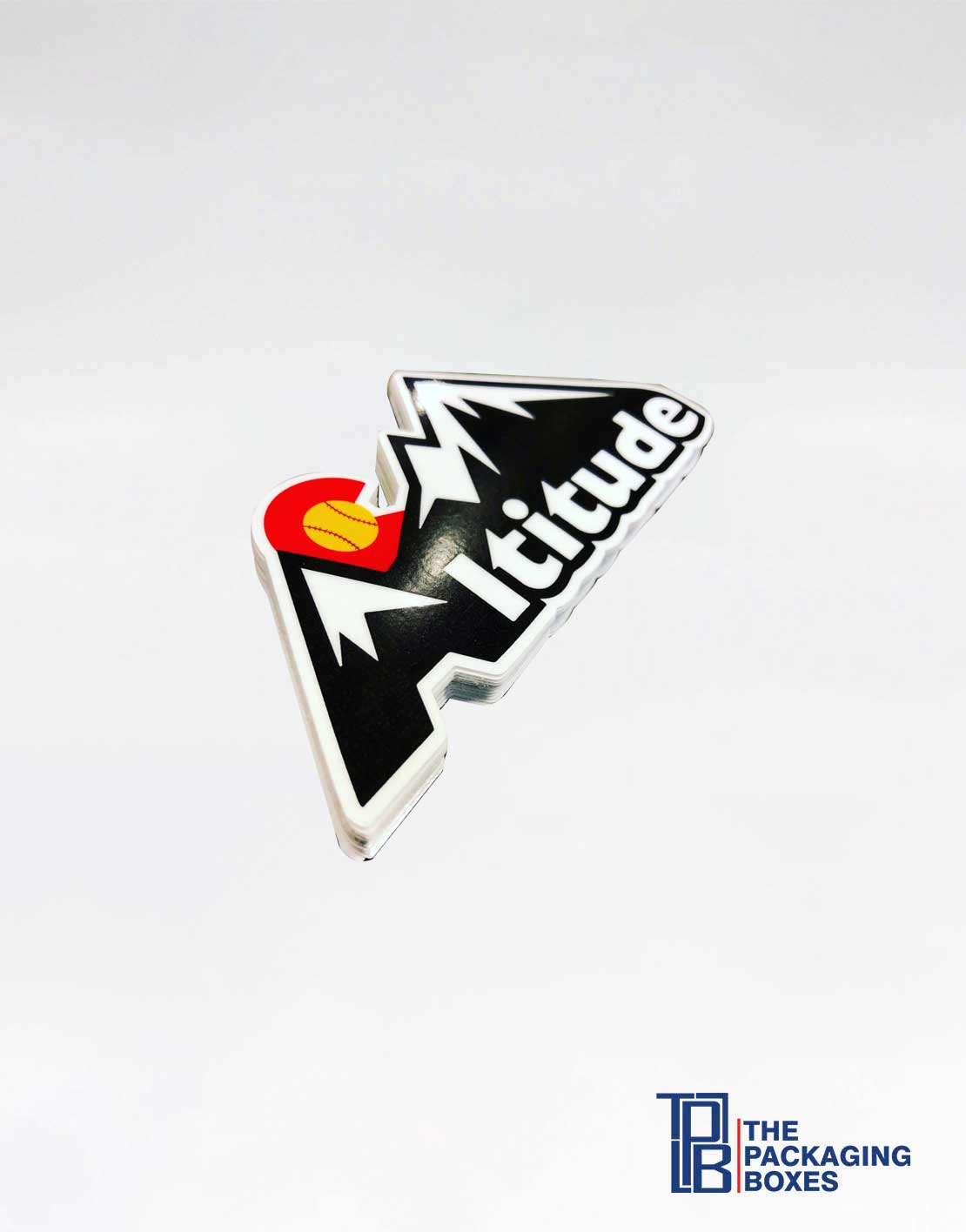
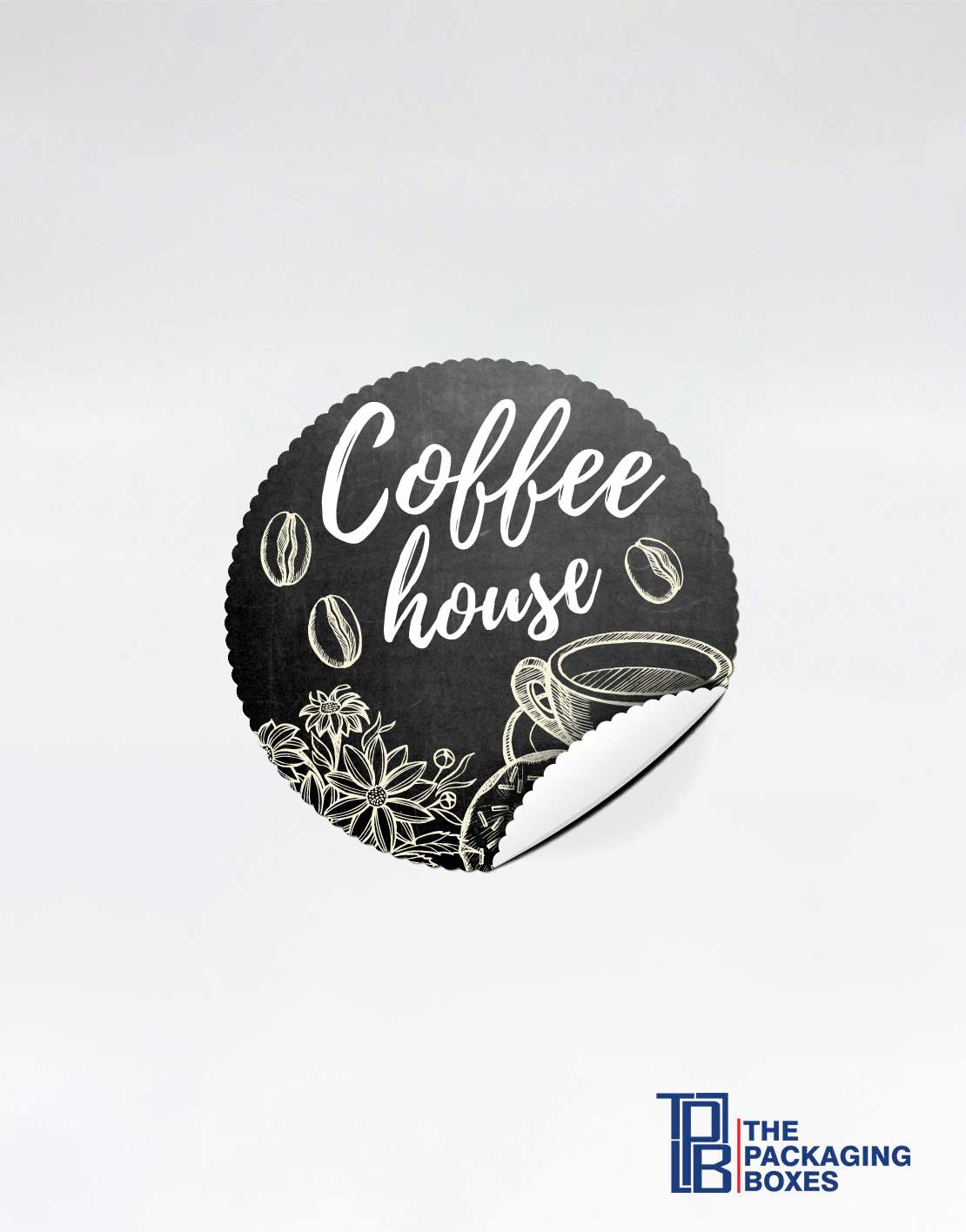
Decals put a logo, message or graphic onto glass, vehicles, walls and equipment without paint or hardware. Boxify Now prints them on permanent, removable and static cling vinyl, cut to any shape and laminated for indoor or outdoor use. Shops buy decals for storefront hours and window promotions, contractors mark trucks and tools, and brands hand out custom printed decals as giveaways. Franchises and resellers can order decals wholesale in mixed sizes. Send artwork, or ask our designers to prepare a decal with your logo, and approve a digital proof before anything prints. Buy now or request a quote.
Decals are printed or cut vinyl graphics with an adhesive or cling backing, made to be transferred onto a smooth surface such as glass, metal, painted walls or vehicle bodywork. Businesses use them for storefront lettering, window promotions, fleet and equipment marking, wall graphics and branded giveaways. They are supplied on a backing liner and applied by peeling, positioning and pressing into place.
In everyday speech the words overlap, but in the trade a decal is usually larger, made from more durable vinyl and intended for a specific surface, often outdoors. A sticker is typically smaller, printed on paper or thin film and used on products, packaging and envelopes. If you need small pieces on rolls or sheets for jars, boxes and bags, our custom labels and stickers are the better fit. If you need a graphic for a window, wall or vehicle, you want a decal.
Decals are used wherever a business needs lettering or graphics on a surface it already owns.
For short events and outdoor sales, decals on the window pair well with vinyl banners on the fence or facade, since both can carry the same artwork.
Choose the material by asking two questions: how long must the decal stay up, and does it need to come off cleanly?
This is the standard for vehicles, equipment and long-term storefront lettering. The adhesive builds strength over the first day or two and holds through weather and washing. It can be removed later with heat and patience.
Removable vinyl uses a lower-tack adhesive that peels away without leaving much residue. It suits painted interior walls, short promotions and rented spaces.
Static cling has no adhesive at all. It holds to clean glass by surface contact, can be lifted and repositioned, and is the usual choice for temporary window offers and parking permits. It is not suitable for walls or for outdoor exposure.
White vinyl gives solid, opaque color on any background. Clear vinyl lets the surface show through around the design, which looks neat on glass. Ink on clear material is somewhat translucent, so tell us whether the decal will sit against a light or a dark background.
The cut style decides what the decal looks like once the liner is gone.
A die-cut decal is cut through both vinyl and liner to the outline of the design, giving an individual piece in a custom shape. A kiss-cut decal is cut through the vinyl only, leaving it on a square or rectangular liner that is easier to peel and protects delicate edges.
A transfer decal is cut lettering or a logo with no background at all. The surplus vinyl is removed, and a sheet of transfer tape holds the separate letters in position until they are pressed onto the surface. This is how most storefront hours and vehicle lettering are made.
Outdoor decals need vinyl and inks made for sun, rain and temperature swings, and they last longer with a clear laminate over the print. Gloss lamination gives bright color and is easy to wipe clean. Matte lamination cuts glare, which helps on windows that catch direct sun and on interior walls under spotlights.
For glass, decide which side the decal goes on. An outside-mount decal is printed normally and faces the street. An inside-mount decal is printed in reverse, applied to the interior of the window and read through the glass, which protects it from weather and tampering. Heavily tinted glass makes inside-mount graphics hard to see.
Measure the clear, flat area of the surface, not the whole panel, then subtract a margin so the decal does not touch frames, seals, handles or body lines. Note any obstacles such as door handles, wiper paths or window dividers.
Size the lettering for the distance it will be read from. A common sign-making guide is about one inch of letter height for every ten feet of viewing distance, and more for drivers passing at speed. When in doubt, tape a paper printout in place and look at it from across the street.
Textured walls, fresh paint and rough masonry are poor surfaces for standard vinyl. New paint should cure fully before a wall decal goes on.
Vector artwork gives the cleanest cut lines, so send logos and lettering as AI, EPS or vector PDF where possible. Photographic designs should be 300 DPI at final size in CMYK. Very thin strokes and tiny lettering are fragile on cut vinyl, so keep line weights bold. We print in CMYK and match PMS colors for brand work.
Boxify Now makes custom decals in any size and shape, with free design support to tidy up a logo, set cut lines or resize one design for several surfaces. You receive a digital proof showing the cut outline and dimensions before production. Minimums are low, the timeline is confirmed on your quote and shipping is free; your quote will confirm delivery details for your location. To order, tell us the surface, the size, indoor or outdoor use and the quantity.
Well-chosen printed decals make a window, wall or truck work as signage for as long as you need. Tell us where yours are going, and buy now or request a quote.
Most decals are made from vinyl with either a permanent adhesive, a removable adhesive or a static cling backing. The print is often covered with a clear matte or gloss laminate to protect it from scuffing, moisture and sunlight.
Lifespan depends on the vinyl, whether the print is laminated, the surface and the climate, so we do not quote a fixed figure. Laminated outdoor vinyl applied to clean glass or painted metal holds up far longer than unlaminated material in direct sun.
Removable vinyl and static cling are made to come off cleanly from glass and sound paintwork. Permanent vinyl can also be removed, usually by warming it with a hair dryer and peeling slowly, though some adhesive residue may need cleaning off afterward.
A transfer decal is individually cut lettering or a logo with no background. Transfer tape holds each piece in the right position while you apply it, then peels away, leaving only the letters on the surface. Storefront hours are a typical example.
A die-cut decal is cut all the way through to the shape of the design, so each piece is separate. A kiss-cut decal is cut through the vinyl only and stays on a larger liner, which makes it easier to peel.
Yes. Ask for an inside-mount decal, which is printed in reverse so it reads correctly from outside. It is protected from weather and vandalism. This works best on clear glass, since dark tint reduces visibility from the street.
Standard vinyl needs a smooth, clean, fully cured surface. Light orange-peel texture sometimes works, but heavy texture, brick, raw wood and fresh or low-quality paint give poor adhesion. Send us a photo of the wall and we will advise honestly.
Vinyl decals are widely used on factory vehicle paint in good condition. Problems tend to arise on resprayed, chipped or oxidized panels, where removal can lift weak paint. Apply to a clean, wax-free surface and remove with gentle heat.
Decals are made to custom sizes, from small logo pieces for laptops and bottles to large window and wall graphics. Give us the width and height of the area you want to cover and we will show the finished dimensions on your proof.
Vector files in AI, EPS or PDF format are best, because cut lines follow the vector outline. Photographic artwork should be 300 DPI at full size in CMYK. If your logo exists only as a small image, our designers can help redraw it.
Yes. We print in CMYK and match PMS colors for logos and brand graphics. Colors on clear vinyl can look lighter against dark backgrounds, so tell us what the decal will be applied to and we will take that into account.
Yes. You receive a digital proof showing the artwork, the finished size and the cut outline. Check spelling, phone numbers and the cut shape, then approve it or send changes. Nothing goes into production until you have approved the proof.
Minimums are low, so a single shop can order a small set of window decals and a brand can order a larger batch of giveaways. The starting quantity depends on size and material and is confirmed on your quote.
The timeline is confirmed on your quote and depends on the quantity, the material and the cutting involved. Production starts once the proof is approved. Shipping is free, and your quote will confirm delivery details for your location.
Keep them flat or loosely rolled, in a cool, dry place away from direct sunlight, and leave the liner on until you are ready to apply. Avoid creasing transfer decals, because folds can lift letters from the tape.