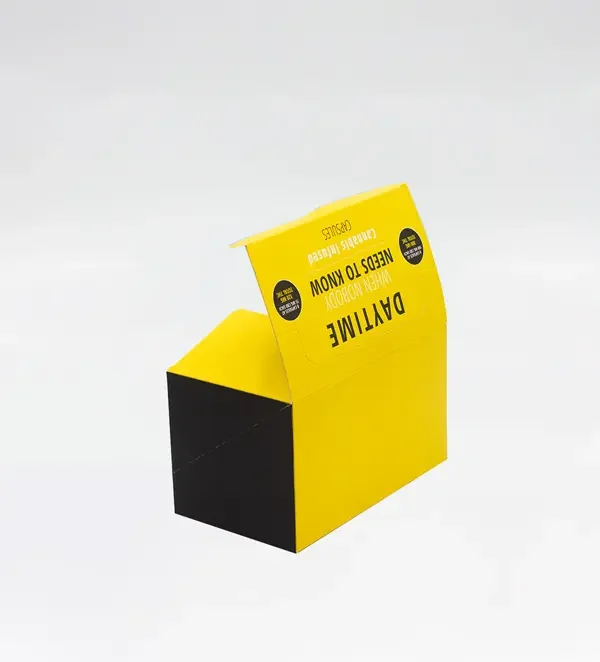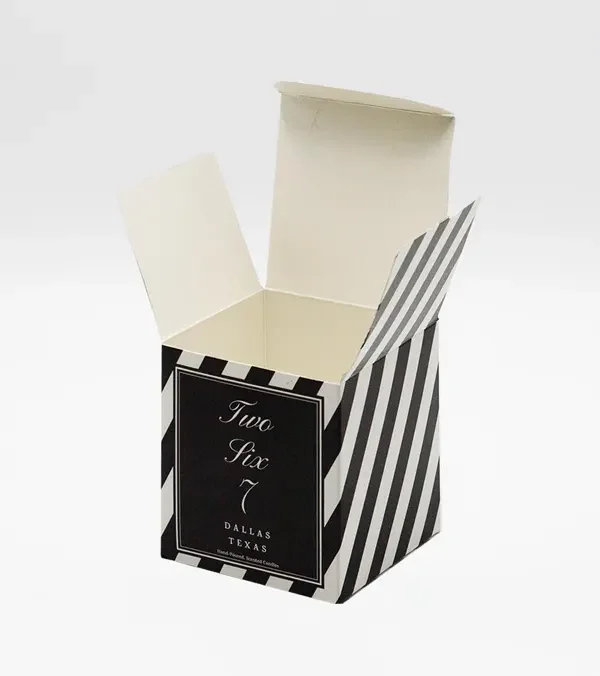
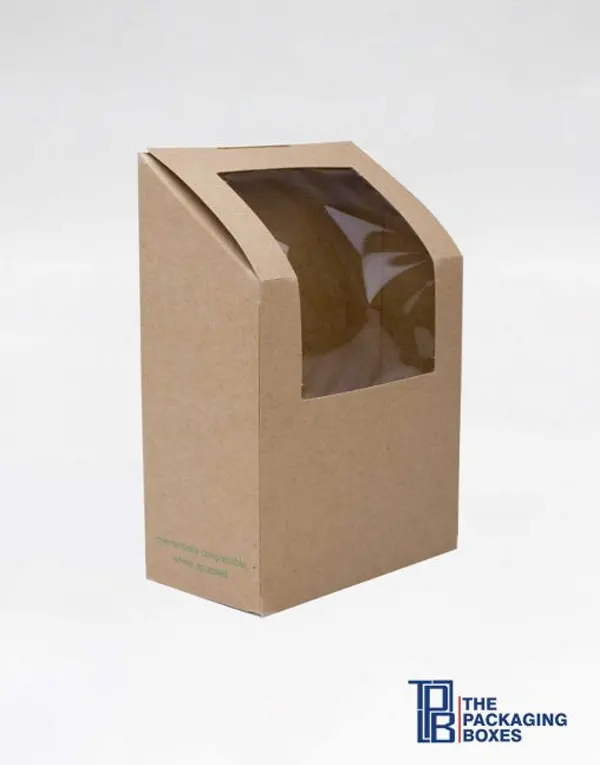
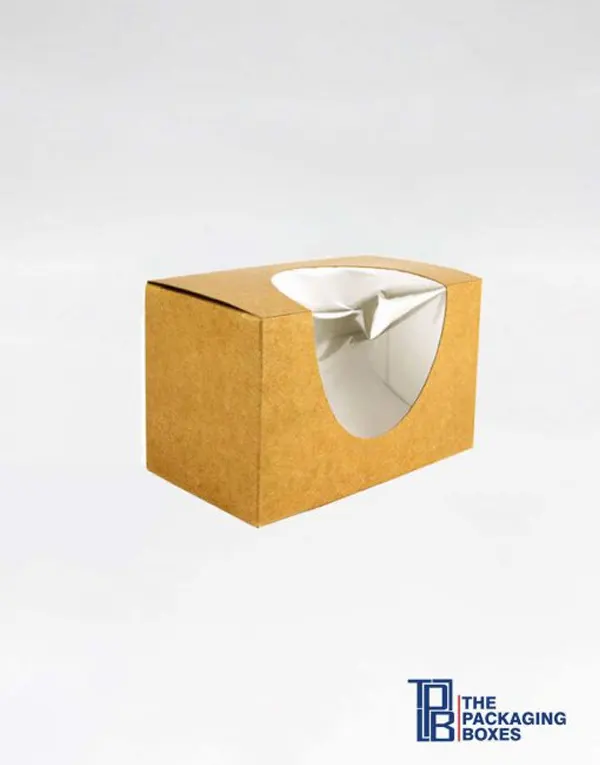
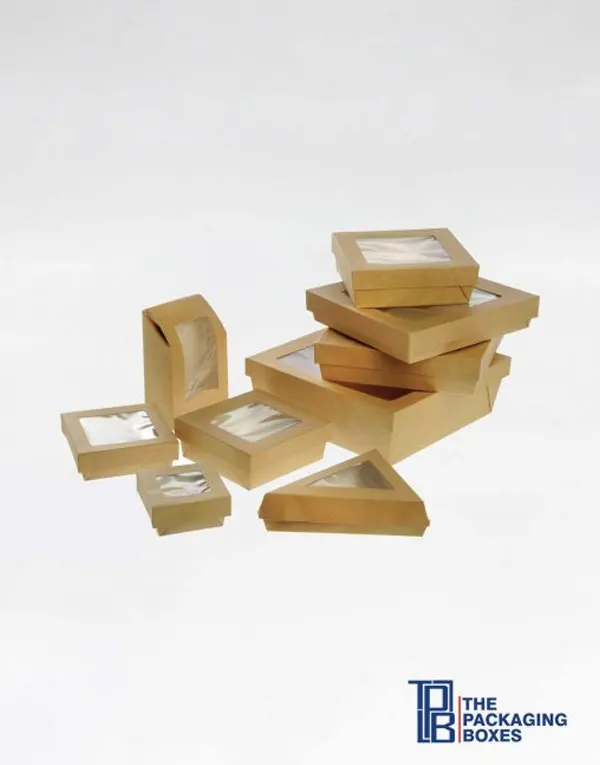
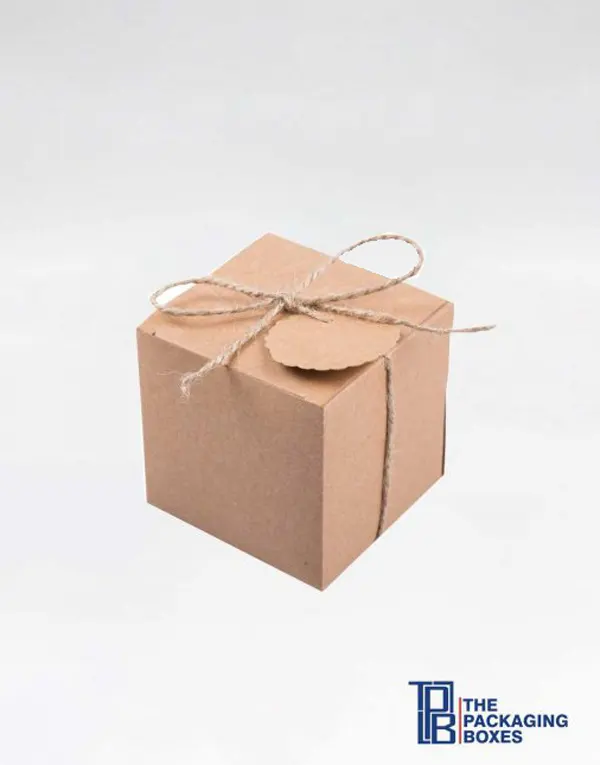
Cut from a single sheet and folded around the product, wrap boxes give a snug fit with little wasted board. It suits books, frames, apparel, gift sets and food such as sandwich wraps and burritos. Online sellers, publishers, cafes and gift brands buy wrap boxes because they store flat and pack in seconds. Order custom printed wrap boxes in paperboard, kraft or corrugated board, with artwork that runs around every panel. Wholesale wrap boxes are available for larger programs, and each box can be printed with your logo inside and out. Buy now or request a quote.
Wrap boxes are one-piece boxes that fold around a product from a single flat, die-cut sheet, closing with a tuck flap, locking tab or adhesive strip. They are used for flat and mid-size items such as books, frames, apparel and gift sets, and in food service for handheld items like sandwich wraps and burritos.
The name is used in two ways, and it helps to know which one you need. In packaging, a wrap box or wrap-around box is a structure: the product sits on the center panel and the remaining panels fold up and over it, so the box hugs the contents. Book wraps, easy-fold mailers and five-panel folders all belong to this family.
In food service, the same words describe a carton made to hold a tortilla wrap, burrito, kebab roll or sandwich. These are usually long, narrow cartons or open-ended sleeves, often with a tear-away section so the food can be eaten from the box. We make both, and this page covers each in turn.
It closes by folding in sequence around the product, which is why it packs so quickly. On a typical corrugated wrap mailer the steps are:
Many designs have several parallel score lines on the long panels, so one box adjusts to different depths. That is useful for booksellers and anyone shipping items of the same footprint but varying thickness. Paperboard gift versions work the same way but usually finish with a tuck flap, a ribbon or a printed band.
They are used for products that are flat, rectangular or sold in a neat stack, where a close fit protects the corners. Typical contents include:
Publishers and independent bookshops are the classic users, and our book boxes page looks at shipping formats for printed matter in more depth. For retail products that do not need full enclosure, a printed band over a tray does a similar job, which is how sleeve boxes are built.
For food, a wrap box needs to hold a soft, filled item upright or flat without crushing it, and let the customer eat without unpacking everything. The common formats are a long tuck-end carton, a half-height sleeve that leaves the top of the wrap exposed, and a carton with a perforated tear strip around the middle so the top half lifts away.
Cafes, delis, food trucks, convenience stores and grab-and-go counters use them for tortilla wraps, burritos, gyros, spring rolls and baguettes. A window lets the filling show in a chilled display. Hot items benefit from small vents so steam can escape and the tortilla does not turn soggy.
Tell us whether the food will be wrapped in paper first or placed directly in the carton, and whether it is served hot, chilled or toasted. That decides the board and coating to discuss. Operators who serve a full menu often order these alongside burger boxes in a matching print so the whole range looks consistent on the tray.
Measure the product’s length, width and thickness, then decide how tight the fit should be. A wrap-around box works best when the footprint is close to the product, since the folded ends are what protect the corners. Add only a small allowance to the length and width, about an eighth to a quarter of an inch for most items.
Thickness needs more thought. If every unit is identical, give one figure. If you ship a range, such as paperbacks and hardbacks, give the thinnest and thickest so multiple score lines can be set between them. For stacks of soft goods like T-shirts, measure the stack lightly compressed, as it will be when the box is closed.
For food cartons, measure a finished wrap as your kitchen actually makes it, including its paper, and allow a little room so it slides in without squeezing the filling.
Because the sheet is one continuous piece, a design can run across panels without the breaks you get on a box with separate lids and bases. A pattern, illustration or band of color can circle the whole pack, and the first thing the customer sees when unfolding it can be printed on the inside.
Keep these points in mind when planning the layout:
Kraft board with one-color print suits bookshops, makers and food vendors. White SBS with full-color print and a matte or gloss lamination suits gifts and cosmetics. For mailers, an aqueous coating helps the print resist rubbing in transit. If you need a lidded shipper instead, compare this style with our corrugated mailer boxes, which have side walls and a tuck-in front.
We make custom wrap boxes to your product’s dimensions, so you are not forcing an item into a stock size. Design support is free, there are no die or plate charges, and low minimums make short runs practical for small publishers, cafes and online shops. You approve a digital proof and a 3D mockup before production, which matters on a style where panel orientation is easy to get wrong. The boxes ship flat, and shipping is free; your quote will confirm delivery details for your location.
To get started, send the product measurements, the board you prefer, the closure you want, your quantity and artwork as PDF, AI or EPS at 300 DPI in CMYK. The timeline is confirmed on your quote. Request a quote today and we will prepare printed wrap boxes that fit your product closely and pack quickly.
It is a box made from one die-cut sheet that folds around the product and closes with a tuck flap, tab or adhesive strip. The term is also used for cartons that hold food wraps, burritos and sandwiches.
They work best for flat or rectangular items such as books, frames, records, folded apparel, stationery and slim electronics accessories. In food service they hold tortilla wraps, burritos, gyros and rolls. A close-fitting footprint gives the best protection.
Wrap boxes are made in SBS paperboard, kraft board and E-flute or B-flute corrugated board. Paperboard suits retail, gift and food cartons, while corrugated board is the usual choice when the box ships by mail without an outer carton.
Yes. Mailer-style wrap boxes can be made with several parallel score lines so the same box folds to different depths. Give us the thinnest and thickest items you ship and the scores can be placed to cover that range.
Options include a tuck flap, a slot-and-tab lock, a peel-and-seal adhesive strip, or a paper band or ribbon on gift styles. Shipping boxes usually use an adhesive strip, and retail and food cartons typically use tucks or tabs.
Yes. A perforated tear strip can be built into corrugated mailers so the customer opens the box without a knife, and into food cartons so the top section lifts away and the wrap can be eaten from the base.
Corrugated wrap boxes are designed for mailing and protect corners well because the folded ends form extra layers. Paperboard versions are intended for retail, gifting and food service and should travel inside an outer carton if shipped.
They are commonly used for hot and chilled wraps, burritos and rolls. Let us know how the food is served and whether it is paper-wrapped first, so suitable board, coating and venting can be discussed for your order.
Yes. Because the box opens out flat, inside printing is especially effective. Many brands print a pattern, message or instructions on the inner panels in CMYK or PMS so the customer sees it as the box unfolds.
Place your design on the dieline we provide, keep text and logos away from scores and overlaps, and leave glue areas unprinted. Supply the file as PDF, AI or EPS at 300 DPI in CMYK.
Yes. They are delivered as flat sheets, which is one of the main advantages of the style. They take up little storage space and are folded around the product at the packing bench or serving counter in a few seconds.
Matte or gloss lamination, soft-touch, aqueous coating, spot UV, foil stamping, embossing and debossing are all available. Lamination or aqueous coating is recommended on shipping boxes to protect the print, and kraft styles are often left uncoated.
We offer low minimums, which helps small publishers, online sellers and independent food businesses order custom sizes. The quantities available for your board and style will be shown on your quote along with the other details.
Production time depends on the board, print, finishes, features such as tear strips, and the quantity ordered. Your timeline is confirmed on your quote, so tell us about any launch date or opening day in advance.
Yes. You receive a digital proof and a 3D mockup before production. On wrap boxes it is worth checking which panel lands on top and the direction of the text, and approving only once the folded view looks right.