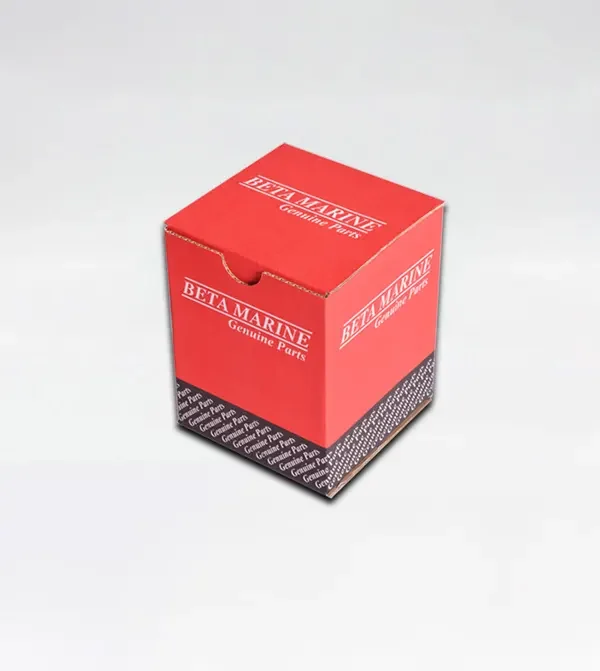
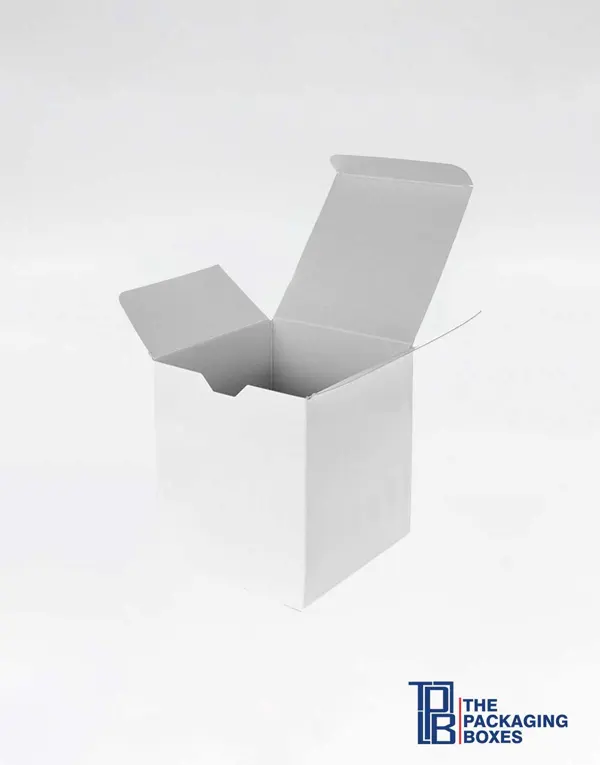
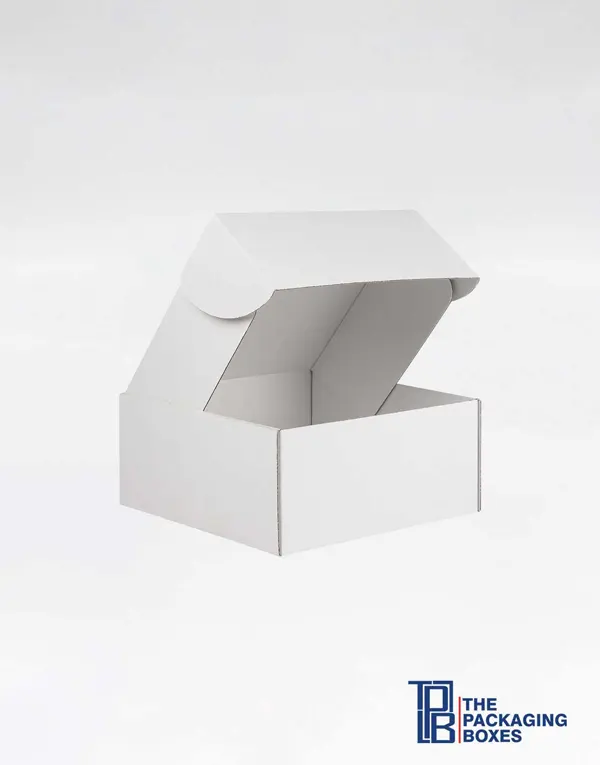
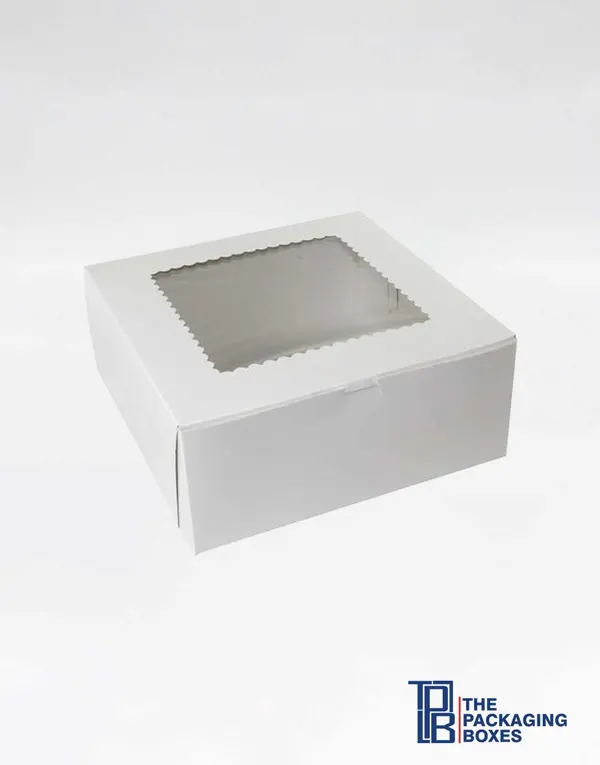

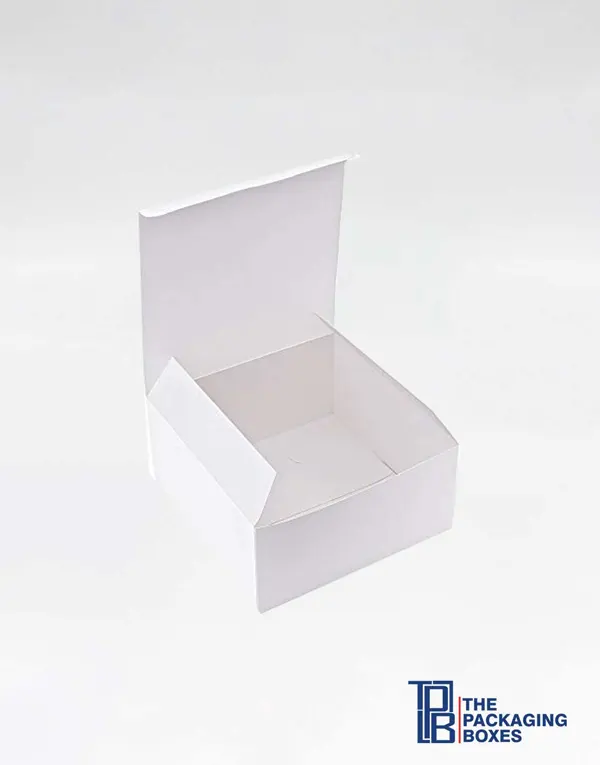
Clean, bright and easy to brand, white boxes suit almost any product, from pastries and cosmetics to apparel and candles. Leave them plain for a label or stamp, or use them as the brightest base for color printing. Bakeries, boutiques, e-commerce sellers and gift shops buy white boxes in tuck, mailer, two-piece and gable styles. We produce custom printed white boxes in paperboard, corrugated and rigid board, in any size. Ask for white boxes wholesale if you stock several sizes, or order white boxes with your logo in one color. Buy now or request a quote.
White boxes are packaging boxes made from white paperboard, white-faced corrugated board or white-wrapped rigid board, supplied plain or printed. Businesses use them for retail products, food, gifts and shipping because white looks clean, suits any brand color and gives printed artwork its truest tones.
They choose white because it is neutral, clean and flexible. A white box does not compete with the product or clash with a logo, and it reads as hygienic for food, beauty and health items. It also works across a whole range: one white box in three sizes can serve a dozen products with nothing more than a different label.
White is practical for printing too. Inks sit on a bright surface with nothing underneath to dull them, so colors come out close to what you see on screen. The alternative most buyers weigh up is brown board; our kraft boxes have a warmer, more rustic look, but they mute light colors and pastels.
“White” describes the surface, and the board beneath it varies a good deal. Knowing the main types helps you ask for the right one.
Solid bleached sulfate board is white all the way through, so the cut edges and the inside of the box are white as well. It has the smoothest surface and is the standard for cosmetics, bakery, pharmacy-style and gift cartons.
This board has a white coated face on a recycled gray or brown core. It prints well outside and costs less, but the inside and the cut edges are not white. It suits cartons where the interior is rarely seen.
Corrugated board can be made with a white outer liner over E-flute or B-flute fluting. A fully bleached liner gives an even white, while a mottled white liner shows some of the brown fiber through it. The inside can be white or kraft, so say which you want.
Rigid boxes are made from dense chipboard wrapped in white paper, which can be smooth, matte, linen-textured or pearlescent. This is the route for premium gift and presentation boxes.
Either works, and the decision is mostly about volume and how often your branding changes. Plain white boxes are useful when you sell many products in small quantities, when designs change seasonally or when you prefer to brand by hand. A logo sticker, a rubber stamp, a belly band or a ribbon turns a blank box into finished packaging, and our custom labels and stickers are made for exactly that.
Printed white boxes make sense once a product is established. The most effective designs often use very little ink: a one-color logo in black, gold foil or a single brand color, with the white of the board doing the rest. Full-color printing is there when you need photographs, patterns or flood coats, and the inside of the box can be printed as well.
Nearly every box structure is available in white. The ones ordered most often are:
Food businesses are among the biggest users. Bakeries rely on white cartons for cakes, pastries, donuts and cookies, usually with a window, and our bakery boxes page covers those formats. Caterers and confectioners use them for the same reason: white signals freshness.
Beauty and personal care brands favor white for skincare, fragrance and soap, where a minimal box matches a simple, uncluttered brand. Apparel and accessory shops use white two-piece boxes for gifting. Jewelers, candle makers, stationers and craft sellers use small white boxes as a neutral frame for handmade goods. Online sellers choose white mailers because a white parcel looks more considered than a brown one when it arrives. Event planners order them for weddings, showers and corporate gifts, since white suits any color scheme.
Protect the surface, because white shows every mark. Uncoated white board picks up fingerprints, scuffs and dust more visibly than brown or dark board, so a coating is worth having on any box that will be handled or shipped.
Storage matters as well. Keep flat-packed boxes in their outer cartons, off the floor and away from damp and direct sunlight, which can yellow white board over time. For shipping, remember that tape, labels and conveyor belts leave marks; a white mailer box with a coated surface holds up better than an uncoated one.
For decoration, foil stamping, embossing, debossing and spot UV all show well on white. A blind emboss, with no ink at all, is one of the most elegant treatments for a white box.
White board comes in more than one tone. Bright white has a cool, crisp look that suits modern brands and makes colors sharp. Natural or off-white tones are warmer and suit artisan food, wedding and heritage brands. If your box will sit beside tissue, labels or bags, check that the whites agree, since a cool white next to a cream one can make either look dirty. Mention the tone you prefer when you request a quote.
Measure the product’s length, width and depth at its widest points and add a small allowance so it slides in without force. Box sizes are normally quoted as internal dimensions in that order. If you use tissue, padding or an insert, include that space. For food, allow headroom so frosting or toppings do not touch the lid.
Tell us the style, internal size, board type, quantity and whether you want the boxes plain or printed. If you have artwork, send it as PDF, AI or EPS at 300 DPI in CMYK; if you do not, our design support is free. We print in CMYK and PMS, outside and inside, with no die or plate charges, and custom inserts and dividers are available.
You will receive a digital proof and a 3D mockup to approve before production. Minimums are low, the timeline is confirmed on your quote, and boxes ship flat where the style allows. Shipping is free; your quote will confirm delivery details for your location.
Send us your sizes and request a quote, and we will help you choose the white box packaging that fits your product and your brand.
They are made from SBS paperboard, clay-coated paperboard, white-faced corrugated board or rigid chipboard wrapped in white paper. The right material depends on the weight of the product, whether the box will ship and how premium it should feel.
It depends on the board. SBS paperboard is white throughout, including the inside and cut edges. Clay-coated board has a gray or brown back, and corrugated board can have either a white or kraft inner liner.
Yes. Unprinted white boxes can be made in custom sizes and styles. Many small businesses buy them blank and add a logo sticker, stamp, band or ribbon, which keeps packaging flexible across different products and seasons.
Generally, yes. White board reflects light through the ink, so colors appear brighter and closer to the artwork. Kraft board darkens and warms most colors, which suits earthy designs but mutes pastels, light tones and photographs.
Matte or gloss lamination gives the strongest protection against scuffs and fingerprints, and gloss is the easiest to wipe clean. Aqueous coating is a lighter, economical option that still helps a white carton stay presentable on the shelf.
White board can yellow slowly if it is exposed to direct sunlight, heat or damp for long periods. Storing boxes flat in their outer cartons, in a cool, dry place away from windows, keeps them bright until use.
White cartons are widely used for baked goods, confectionery and takeout because they look clean. Tell us if food will touch the board directly so appropriate board and coatings can be discussed, or use liners and wrapped items.
Almost any style can be made in white, including tuck-end cartons, mailers, two-piece boxes, gable boxes, window boxes, auto-lock bottom cartons, sleeves and rigid boxes. Tell us the product and we can recommend a suitable structure.
Yes. Every order is made to your dimensions, so you are not limited to stock sizes. Send the length, width and depth of your product, and note any insert or padding that needs space inside.
Bright white has a cool, crisp tone that sharpens printed colors and suits modern branding. Natural or off-white is slightly warmer and softer. It helps to match the tone to your labels, tissue and bags so they look consistent.
Yes. Die-cut windows covered with clear PET film are popular for bakery and gift items, and custom inserts or dividers in paperboard, corrugated board or foam can hold products in place. Both are made to your specifications.
Minimums are low for both plain and printed white boxes, which suits start-ups and seasonal products. The quantities offered depend on style and board, and your quote will show the options for your order.
The timeline is confirmed on your quote, because it varies with the box style, board, printing, finishes and quantity. Plain boxes and simple printed cartons are generally quicker to produce than rigid boxes with specialty finishes.
Yes. Even a single-color logo is proofed. You receive a digital proof and a 3D mockup showing its size and position on the box, and production does not begin until you have approved them.
Paper-based packaging is widely recyclable, and white paperboard and corrugated boxes are commonly accepted. Laminations, foil, window film and food residue can affect this, and local rules vary, so check with your local recycling program.