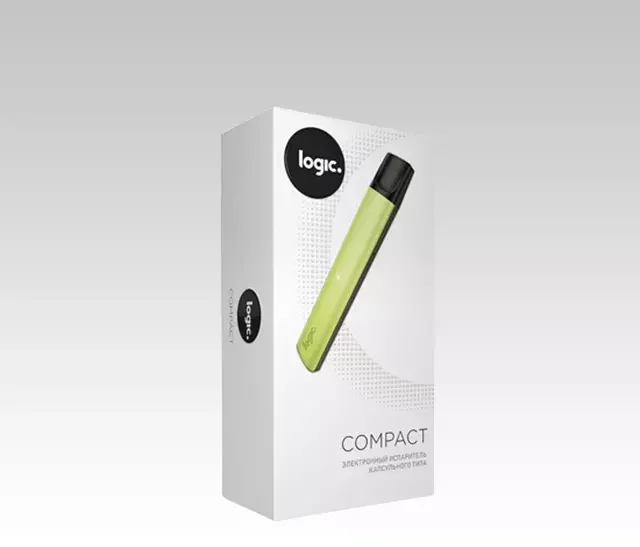
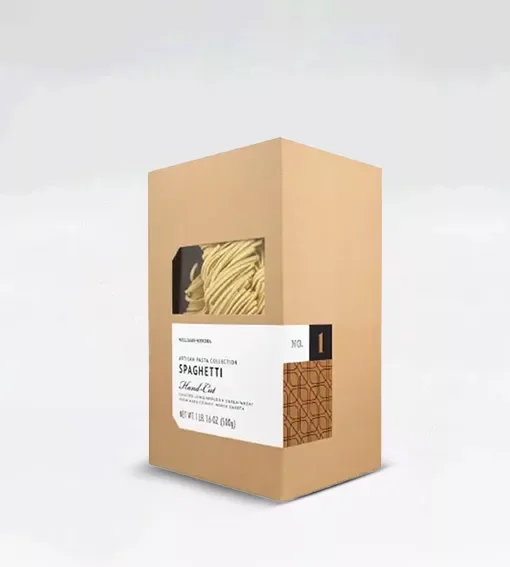
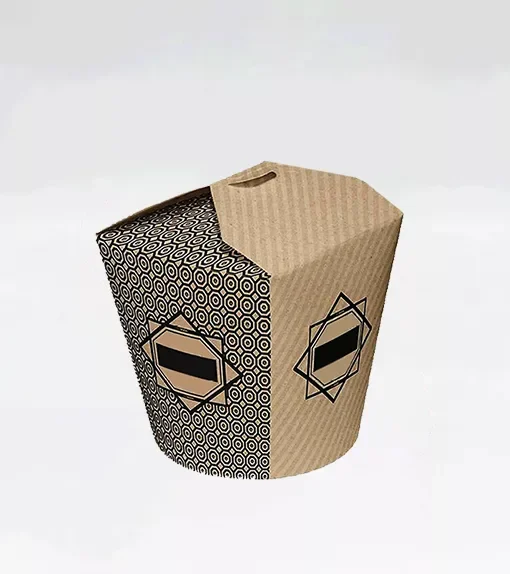
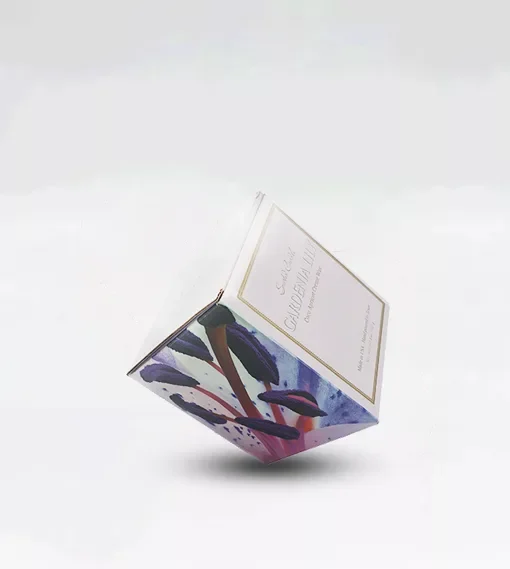
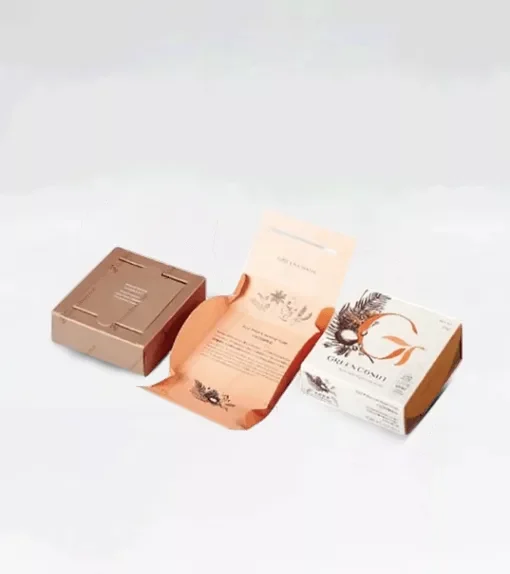
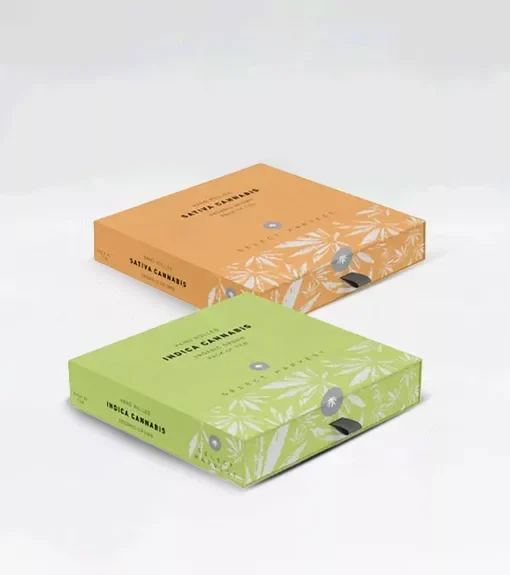
Chocolate bars, baked goods, mints and drink mixes each need a different carton, which is why edible packaging boxes are made to order. Boxify Now produces sleeves, slide boxes and tuck cartons that fit around your wrapped or pouched product. Dispensaries and infused-food brands buy edible packaging boxes from us in SBS, kraft or rigid board. We supply custom printed edible packaging boxes in CMYK and PMS with matte, soft-touch, foil or spot UV finishes. Wholesale edible packaging boxes with your logo include free design support, a digital proof and free shipping. Buy now or request a quote.
Edible packaging boxes are printed cartons, sleeves and slide boxes that form the outer packaging for infused edibles such as chocolate bars, gummies, baked goods, mints and drink mixes. They surround a wrapped or pouched product, carry the brand and the required product information, and keep the item intact from packing room to customer. Most are made from paperboard in a size cut for one specific product.
In almost every case the box is secondary packaging, and the food sits inside a separate inner wrap. A chocolate bar is flow-wrapped or foil-wrapped first. Gummies go into a sealed pouch or jar. Cookies are bagged. The printed carton then goes around that sealed unit.
This matters for two reasons. The inner wrap, not the paperboard, is the layer in contact with the food, so its specification is a separate decision. And the inner pack sets the dimensions of the box, so it has to be finalized first. If your inner pouch changes supplier, measure again before you reorder cartons.
A flat tuck carton or a sleeve over a wrapped bar is the usual format, close to conventional chocolate boxes. Leave enough depth for the wrap’s end seals, which add more length than most people expect.
Pouched pieces fit a small tuck carton or a slide box. Tins of mints are often finished with a printed sleeve that carries the text a small tin lid cannot.
Cookies and brownies are bulky and fragile. A carton with an auto-lock bottom and a little headroom avoids crushing, and a paperboard tray inside keeps a single piece from sliding.
Stick packs and sachets sit in a dispenser-style carton with a tear-open front. Bottles and cans need carriers or cartons with dividers.
Some brands skip the carton and sell in printed mylar bags, then use a paperboard tray to present them. Others put the pouch in a carton for a firmer shelf face.
It should open in an obvious way, close again if the product is not finished at once, and show clearly whether it has been opened before sale.
Slide boxes, made of a sleeve and an inner tray, reclose neatly and are popular for multi-piece packs. Tuck cartons reclose well enough for a pouch that has its own zipper. For tamper evidence, a perforated tear strip or a seal label across the opening does the job without adding much to the pack.
Opaque board is standard, and some buyers ask for no window at all so the product is not visible from the shelf. If you need a specific closure or locking mechanism, describe it when you request a quote so the dieline can be drawn around it.
More than most first drafts allow. Edibles carry a long list of panel content, and it should be mapped onto the dieline before any design work.
Buyers are responsible for making sure their labeling and any child-resistant packaging meet the regulations where they sell, and Boxify Now prints the content the buyer approves. Design restraint helps too. Edible packaging boxes aimed plainly at adults, with no cartoon characters or candy-style graphics, are the norm among established brands.
If the text will not fit at a readable size, the practical options are a slightly larger carton, a folded leaflet inside, or printing secondary content on the inner panels.
SBS paperboard suits most edible cartons because it prints small text cleanly. Kraft works for brands with a bakery or craft feel. Rigid chipboard is used for gift assortments and limited releases, where the box is part of the purchase.
We print in CMYK and PMS, outside and inside. Matte lamination with a spot UV or foil logo is a common, readable combination. Soft-touch gives a smooth, velvety surface that suits chocolate. Aqueous coating is a lighter option when you want protection without a film layer. Embossing and debossing add texture to a logo or pattern. Whatever you pick, keep decorative finishes off the panels that carry small required text.
Measure three or four finished units, not one. Hand-wrapped and flow-wrapped products vary slightly from piece to piece, and the carton should fit the largest of them.
Small edibles are usually sold from a counter or a locked case, so think about the tray at the same time as the carton. Printed display boxes sized to hold a set number of cartons keep one flavor together and give staff an easy way to restock. Size the tray after the carton is final, with a little clearance so cartons lift out cleanly.
For wholesale orders, a plain or one-color corrugated shipping case that holds a fixed number of trays keeps counts simple for you and the retailer. Mark the flavor and count on the outside of the case so stock can be identified without opening it.
Custom edible packaging boxes are made to your dimensions with custom inserts and dividers. Design support is free, there are no die or plate charges, and you see a digital proof and 3D mockup before production. Minimums are low, shipping is free, and your quote will confirm delivery details for your location along with the timeline. Boxes ship flat where the style allows.
Send us the size of your wrapped product and we will work out printed edible packaging boxes to fit it. Buy now or request a quote.
They are the printed outer cartons for infused edibles such as chocolate bars, gummies, baked goods, mints and drink mixes. The box surrounds a product that is already wrapped or pouched, and carries the branding and the information you need to display.
Normally not. The food is sealed in an inner wrap, pouch, jar or tin, and the carton goes around it. If you intend to place unwrapped food straight into a box, raise that at the quote stage so the structure and materials can be discussed.
A flat tuck carton or an open-ended sleeve over a wrapped bar is the usual choice. Measure the bar after wrapping, including the sealed ends, and allow a little clearance so the bar slides in without tearing the wrap.
Yes. Slide boxes with an inner tray reclose neatly and are widely used for multi-piece packs. Tuck end cartons also reclose, and they work well when the inner pouch has its own zipper to keep the contents sealed.
We do not claim any child-resistance rating for our cartons. Many brands rely on a child-resistant inner pouch or container and use the carton as outer packaging. If you need a particular locking structure, describe it and we will tell you what we can build.
A perforated tear strip built into the carton or a seal label across the opening both give a clear sign of first opening. Tell us which you prefer so it can be drawn into the dieline before the artwork is placed.
SBS paperboard for most cartons, kraft paperboard for a craft or bakery look, E-flute corrugated for mailers and shipping trays, and rigid chipboard for gift assortments. The best option depends on the weight of the product and how it is sold.
First check whether a slightly larger carton is acceptable. If not, secondary content can move to the inside panels, which we can print, or onto a folded leaflet. Our designers can help test type sizes on the dieline during design support.
Yes. When the structure and dimensions are identical, each flavor is simply a different artwork version. Give us the number of versions and the quantity of each when you ask for a quote, and keep the layout consistent across them.
Matte lamination with a spot UV or foil logo is the most common. Soft-touch is popular for chocolate, and aqueous coating suits kraft. Embossing and debossing are available too. Avoid placing any of them over barcodes or small print.
Minimums are low, which makes seasonal flavors and limited runs practical. The quantities available for your box style and size are listed on your quote, so you can compare options before deciding.
It depends on the structure, the finishes and the quantity, so the timeline is confirmed on your quote. If you are working toward a launch date, say so at the start and send final measurements of the wrapped product early.
Yes. Shipping is free, and your quote will confirm delivery details for your location. Cartons, sleeves and trays ship flat where the style allows, which keeps them easy to store until your packing day.
You will receive a digital proof and a 3D mockup. Check ingredient lists, allergen wording, symbols and net quantity on every flavor version, because the approved proof is exactly what goes to press.
Artwork should be a PDF, AI or EPS file at 300 DPI in CMYK. Place it on the dieline we supply, with bleed beyond the cut lines. If you need help, free design support is included with your order.