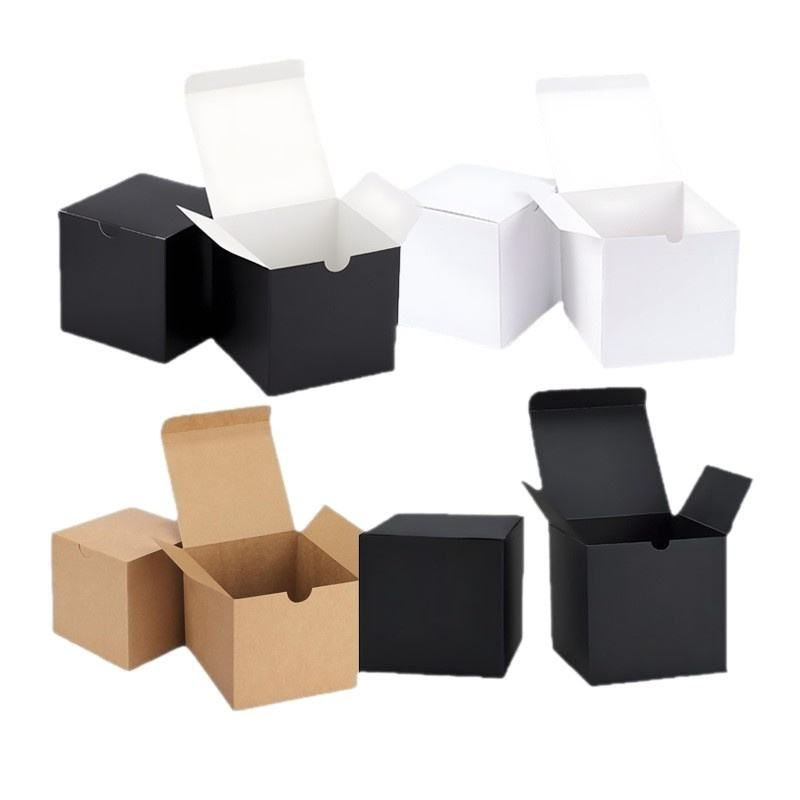
Gummies are sold in jars, pouches and sample packs, and CBD gummies packaging has to suit each one. Boxify Now makes printed cartons and sleeves sized around your container, so the jar sits snugly and the panels stay readable. Brands that buy CBD gummies packaging here can choose SBS or kraft board, die-cut windows and matte, gloss or foil finishes. We supply custom printed CBD gummies packaging in CMYK and PMS color, and wholesale CBD gummies packaging with your logo comes with free design support, a proof before production and free shipping. Buy now or request a quote.
CBD gummies packaging is the printed outer packaging for hemp-derived CBD gummies: cartons that hold a jar or bottle, boxes that hold an inner pouch, printed pouches and small trial packs. It presents the brand, carries the ingredient and product information the seller is required to show, and protects the primary container through shipping and shelf handling. Paperboard cartons are the most common form.
It takes four main forms, and many brands use two of them together.
A wide-mouth jar in a tuck end carton is the classic format. The carton squares off a round container so it stacks and faces well, and it adds panel space a wraparound jar label cannot offer. Choose an auto-lock bottom for glass jars or larger counts, since the base carries real weight.
Some brands seal the gummies in a plain inner bag and let a printed box do the selling. The box can be shallower and wider than a jar carton, with a tuck top that recloses after opening.
Resealable stand-up pouches work as primary packaging and need no jar at all. They are light to ship and stand on a shelf unaided. A paperboard sleeve or shipper tray can group several pouches for retail.
Two-count or five-count sachets fit small hang tab cartons or a card-backed sleeve. These suit counter displays and inclusion in online orders.
Add a window only if the product looks good through it and you can spare the panel space. A window shows shoppers the jar, the fill level and the color of the gummies. It also removes printable area from the front panel, which on a small carton may be needed for the product name, count and net quantity.
If you want one, a modest die-cut shape low on the front panel usually works, covered with clear PET window film to keep dust out. Our window boxes page shows common shapes. Check that the jar label lines up with the opening when packed, or the window will show a seam or a block of small print.
Size the carton from the filled, capped jar, not from the jar’s stated capacity. Two jars sold with the same capacity can differ noticeably in diameter and height.
A square carton around a round jar leaves four empty corners. That is normal, and it is what keeps the jar from being squeezed.
Keep the carton footprint the same and change only the height wherever you can. Many jar ranges share a diameter across count sizes, so a 30-count and a 60-count carton can sit side by side with matching fronts and different heights. Retailers find a range like that easier to shelve.
For flavors, keep the layout fixed and assign each one a color. Print the brand color as a PMS ink so it stays constant, and let the flavor color change in a single band or panel. State the count and the flavor in the same position on every carton, in type large enough to read at arm’s length.
SBS paperboard is the standard board for gummy cartons, and kraft paperboard is the alternative for a natural look. In both cases the carton is secondary packaging. The gummies stay inside their sealed jar or pouch, and the paperboard never touches them.
For surface protection you can choose matte or gloss lamination, soft-touch or aqueous coating. Aqueous coating is the lightest of these and keeps the feel of the board. Lamination adds scuff resistance, which helps cartons that travel individually in e-commerce parcels. Spot UV, foil stamping, embossing and debossing add emphasis to a logo or product name. Printing is CMYK and PMS, outside and inside, so the inner face of a lid flap can carry a short message.
Gummy cartons carry more text than most, so allocate the panels before designing anything.
It is your responsibility to make sure the labeling and any child-resistant packaging meet the regulations where you sell, and Boxify Now prints the content you approve. Many brands also keep gummy packaging plain and adult in tone, with restrained color and no cartoon imagery, so it is not mistaken for confectionery.
Direct-to-consumer brands often need a shipping box as well as a retail carton. A printed mailer box in E-flute corrugated, sized to hold one, two or three cartons with dividers, keeps the retail pack undamaged and gives the customer a tidy parcel to open. Size the mailer after the cartons are finalized, since a small change in carton height changes the fit.
We make CBD gummies packaging in custom sizes with custom inserts and dividers, with free design support and no die or plate charges. Before production you receive a digital proof and a 3D mockup to check. Minimums are low, shipping is free and your quote will confirm delivery details for your location. Cartons ship flat where the style allows.
To order, send your jar or pouch dimensions, the style and quantity you need, and artwork as PDF, AI or EPS at 300 DPI in CMYK if you have it. The timeline is confirmed on your quote.
Custom CBD gummies packaging is easier to get right when the container is chosen first, so start there. Buy now or request a quote, and we will size printed CBD gummies packaging to fit.
A wide-mouth jar inside a printed tuck end carton is the most common retail format. Resealable printed pouches are the main alternative, and some brands seal gummies in a plain inner bag inside a printed box. Each can be made to your size.
SBS paperboard is standard because its white, smooth surface reproduces color and small text accurately. Kraft paperboard gives a brown, natural look. Larger glass jars may call for a thicker board or an auto-lock bottom so the base holds the weight.
No. The carton is outer packaging. The gummies stay sealed in their jar, bottle or pouch, and the paperboard surrounds that container, carrying the branding and the product information you supply for each panel.
Measure the widest diameter, which may be the cap or shoulder, and the height with the cap closed and any seal in place. Add a little clearance so the label does not scuff. A supplier specification sheet is the most reliable source.
Yes. If your jars share a diameter, the cartons can share a footprint and differ only in height, which keeps the fronts aligned on the shelf. The count is then printed in the same position on each size so shoppers can compare quickly.
Keep the layout and brand color identical and give each flavor its own accent color in a band or panel. PMS inks hold the brand color steady across the range, and the flavor name sits in the same spot on every carton.
Yes. A die-cut window can be left open or covered with clear PET window film. Keep it modest in size, place it where the jar label looks tidy behind it, and make sure it leaves enough front panel for the name and count.
Matte or gloss lamination, soft-touch, aqueous coating, spot UV, foil stamping, embossing and debossing. Aqueous coating is a light protective layer, while lamination resists scuffing better on cartons that ship individually in mailers.
Yes. CMYK and PMS printing is available inside as well as outside. The inner face of a lid flap or the inside back wall is a good place for a brand message, a reorder prompt or directions that will not fit outside.
A printed seal label placed across the tuck flap is the simplest approach, since it tears when the carton is opened. Tell us if you plan to use a seal, and its position can be marked on the dieline so the artwork allows for it.
We keep minimums low so that small brands and new flavors can be packaged without a large commitment. The quantities available for your chosen style and size appear on your quote.
The timeline is confirmed on your quote and depends on the structure, quantity and finishes. Shipping is free, and the quote also confirms delivery details for your location, so you can plan filling and packing dates around it.
Yes. A digital proof and a 3D mockup are sent before anything goes to press. Read every panel, check the count and flavor on each version, and test the barcode and QR code from a printed copy if you can.
PDF, AI and EPS files are accepted, at 300 DPI and in CMYK. If you only have a logo and text, free design support is included, and our designers can build the layout on a dieline made to your jar size.
Paper-based cartons are widely recyclable, though local rules vary. Window film and some laminated finishes may need to be separated or may not be accepted everywhere. A carton without a window and with an aqueous coating is the simplest to recycle.