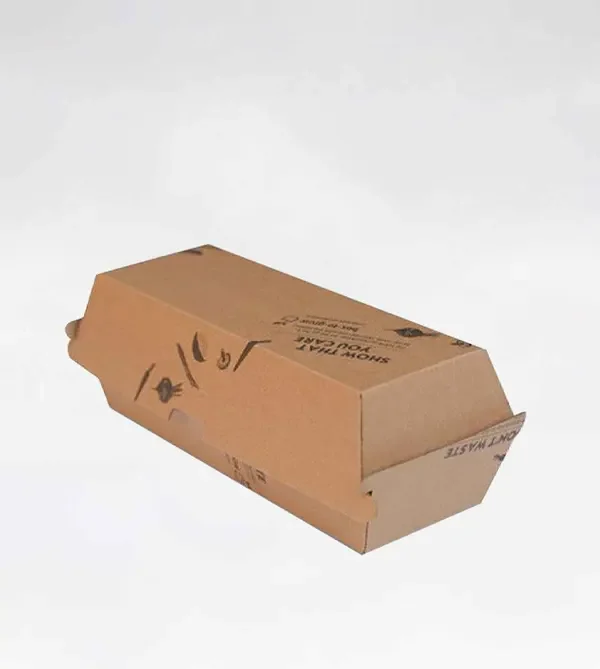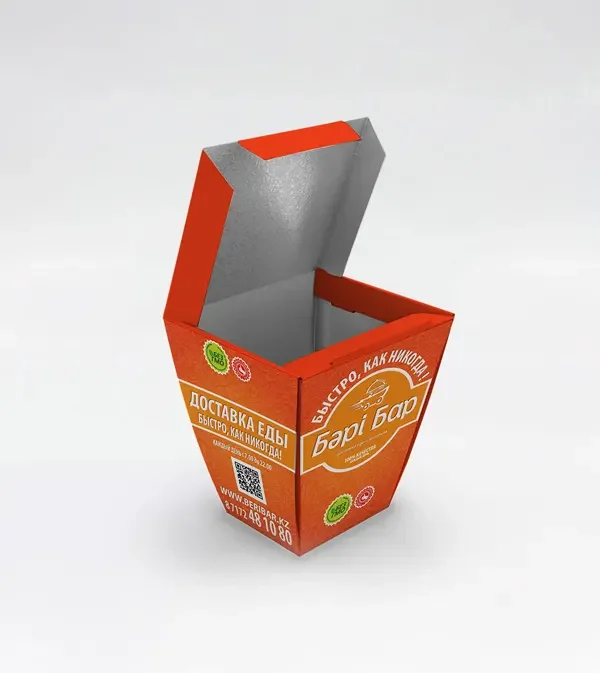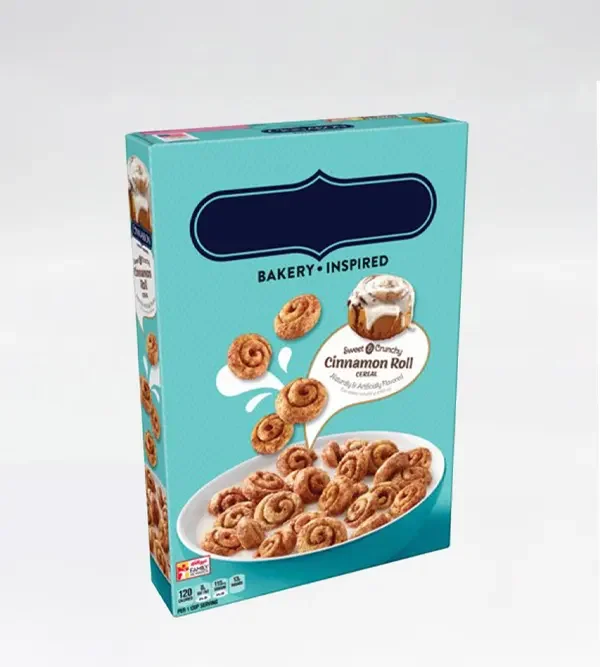


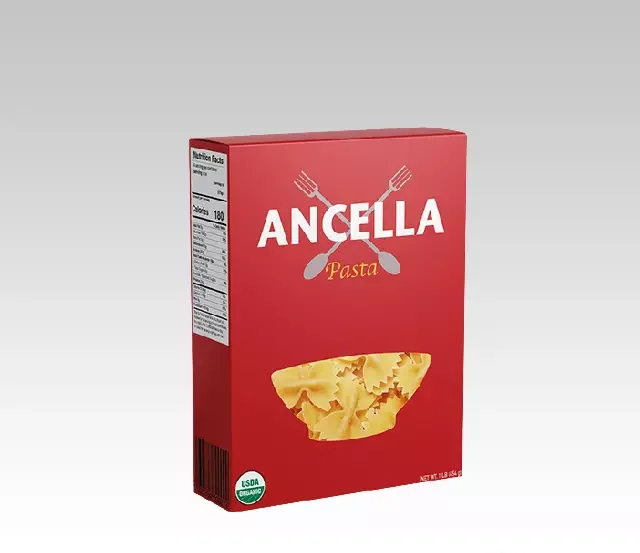
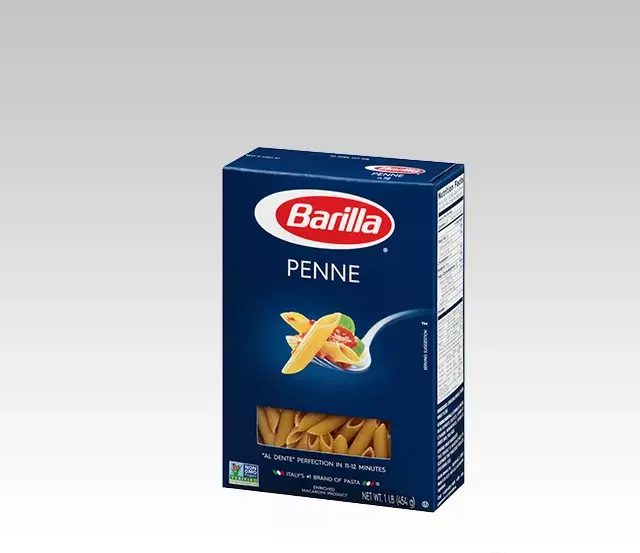
Pasta boxes come in two forms: window cartons that put dried spaghetti, penne and fusilli on a retail shelf, and sturdy takeout boxes that carry cooked pasta home hot. Boxify Now supplies both to artisan pasta makers, Italian restaurants, delis and specialty food brands. Our custom printed pasta boxes are sized to the shape and weight you pack, and pasta boxes wholesale orders come with low minimums and free design support. Choose kraft or white board, add a window, and finish your pasta boxes with logo printing inside and out. Buy pasta boxes now or request a quote.
Pasta boxes are paperboard cartons made either to retail dry pasta on a shelf or to carry cooked pasta dishes for takeout and delivery. The retail version protects brittle shapes from breaking and gives the maker space for branding and cooking instructions. The takeout version holds heat and sauce long enough for the meal to reach the table.
The first decision is which job the box has to do, because the two types share a name and little else.
These are slim folding cartons, usually with tuck ends or glued ends and often with a window. They are bought by artisan pasta makers, farm shops, specialty grocers, private-label food brands and restaurants that sell their own pasta to take home. The carton has to keep long strands straight, stop short shapes from being crushed and present the product next to national brands.
These are deeper cartons with a coated interior and a locking or folding top. Italian restaurants, pasta bars, food trucks and caterers use them for spaghetti, mac and cheese, baked ziti and pasta salads. Some kitchens prefer a wide, shallow box that works like a plate. Others serve from tall pails similar to Chinese takeout boxes, which hold heat well and are easy to eat from with a fork.
The box should fit the pasta closely enough that it cannot slide and break, and the right dimensions depend on the shape as much as the weight. A pound of spaghetti and a pound of farfalle need very different cartons.
To get an accurate size, fill a bag with the weight you plan to sell, shape it the way it will sit in the carton and measure the length, width and depth. Send us those internal dimensions and we will build the dieline around them.
For dry pasta, usually yes. Shoppers want to see the shape, color and texture, especially with bronze-cut, whole wheat or naturally colored pasta where the product looks different from the mass-market version. A window does that selling for you without a photograph.
Position matters. On a long-pasta carton, a tall, narrow window shows the strands without weakening the panel. On short shapes, a window in the lower half shows a full section even after the contents settle. Makers who want more ideas can look at how other food brands use window boxes to frame a product.
Windows are less common on takeout pasta boxes, where steam fogs the film. There, a solid lid with good print works better.
White SBS paperboard is the standard for retail pasta cartons because it prints sharply and folds cleanly. Kraft is the popular alternative for organic, small-batch and farm-made pasta, where a natural brown surface matches the product.
Thickness should follow weight. A one-pound carton that will be stacked on a shelf needs a heavier board than a small sample pack. E-flute corrugated makes sense for bulk boxes sold to restaurants and for multi-pack shippers.
For anything other than fully dried pasta, tell us how the food is packed. Fresh, filled and cooked pasta carry moisture and oil. If food touches the board directly, let us know so we can recommend a suitable stock and coating. Many fresh pasta makers pack in an inner bag or tray and use the printed carton as the outer layer.
A retail carton has to inform as well as sell, so plan the panels before the artwork.
The front carries the brand, the shape name and the net weight. The back is the natural place for cooking time, a serving suggestion and the story of how the pasta is made. One side panel usually holds ingredients, allergen information and nutrition details, and the base or lower back needs a clear, flat area for the barcode.
You are responsible for making sure this wording meets the labeling rules where you sell. We print the content you approve and can help lay it out legibly. If you sell several shapes, a shared design with a color band or a sticker for each shape keeps the range consistent and avoids a separate print run for every variety.
Pasta also sells well in sets. A carton of pasta with a jar of sauce and a wedge of cheese is a ready-made present, and our food gift boxes with dividers are built for that kind of assortment.
Matte finishes suit most pasta packaging. A matte or soft-touch surface reads as traditional and handmade, and it does not show fingerprints on a shelf. Gloss lamination works for bright, family-oriented brands. Foil stamping on a crest or brand name, or an embossed logo, adds a premium detail without crowding the design.
On kraft board, stay with dark inks and simple line art. On takeout boxes, print the logo on at least two sides so it is visible however the box sits in a delivery bag.
Mainly because small producers can order packaging that fits their product without paying setup penalties. There are no die or plate charges, minimums are low, and every box is cut to your size. Free design support covers dielines, panel layout and window placement.
You see a digital proof and a 3D mockup before production, so you can check the window, the barcode area and every line of text. Shipping is free, and your quote will confirm delivery details for your location along with the timeline. To order, send your dimensions or pack weight, the style you want, the quantity and your artwork as a PDF, AI or EPS file at 300 DPI in CMYK.
Printed pasta boxes give a handmade product the shelf presence it deserves and give a restaurant’s takeout the same care as its dining room. Buy now or request a quote and tell us what you are packing.
Retail pasta cartons are usually white SBS paperboard or kraft, chosen for print quality and stiffness. Takeout pasta boxes use paperboard with a coated interior. Bulk and catering packs can be made from E-flute corrugated board when extra strength is needed.
It depends on the shape. A pound of spaghetti fits a slim carton a little over 10 inches long, while a pound of fusilli or farfalle needs far more volume. Send us the shape and weight and we will size the box to fit.
Yes. A die-cut window with clear PET film can be placed on the front panel in almost any shape. For short pasta, we suggest setting the window lower on the panel so it stays full after the contents settle.
Fresh and filled pasta carry moisture, so they are often packed in an inner bag or tray with the printed carton outside. Tell us if food touches the board directly and we will recommend a suitable stock and coating.
Yes, in takeout styles built for it. These have a coated interior and a secure top closure. Let us know how hot and how saucy your dishes are, and whether they travel by delivery, so we can advise on board and coating.
Fit and stiffness do most of the work. The carton should be only slightly longer than the strands with little side-to-side room, and the board should be heavy enough not to bend when picked up by one end.
Tuck-end cartons and auto-lock bottom cartons are the simplest for hand packing. They arrive flat, pop open and close without glue. Glued seal-end cartons give a tamper-evident close but are better suited to producers with sealing equipment.
Yes. We print whatever text you supply and approve, including cooking times, ingredients, allergens, nutrition details and barcodes. You are responsible for making sure the wording meets labeling rules where you sell. Our design team can help arrange it clearly.
Yes. Many makers print a shared carton and identify each shape with a color band, a printed name panel or a sticker. If the shapes need different carton sizes, the same artwork can be adapted to each dieline with design support.
Inside printing is available in CMYK or PMS. Brands use it for a recipe, a pattern or a short note about the maker. For cartons where pasta touches the board directly, mention it so we can advise on suitable inks and coatings.
Minimums are low, which suits small-batch makers, seasonal shapes and restaurants testing retail sales. The starting quantity varies with size and print method, and it is confirmed on your quote along with the cost for larger runs.
The timeline is confirmed on your quote, because it depends on the quantity, structure and finishes you choose. If you are preparing for a farmers market season, a store listing or a holiday launch, share the date early.
A PDF, AI or EPS file at 300 DPI in CMYK is ideal, with any PMS colors named. If you have only a logo and rough ideas, free design support can turn them into a print-ready layout on the correct dieline.
Yes. A digital proof and a 3D mockup are sent for approval first. Read every line of text, check the barcode area and confirm window placement. Production starts only after you approve.
Paper-based packaging is widely recyclable, though local rules vary. A film window, heavy lamination or food residue on takeout boxes may change how a carton should be sorted, so check local guidance before adding recycling instructions to your design.